
What's Happening?
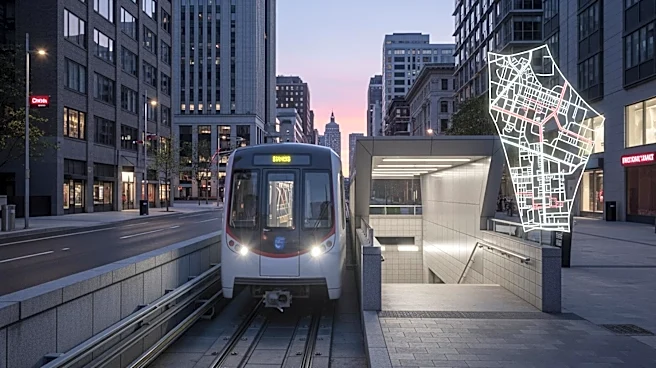
The Metro D Line extension in Los Angeles is set to open on May 8, significantly improving accessibility along Wilshire Boulevard. This development marks the completion of the first phase of the extension,
which includes three new stops at Wilshire/La Brea, Wilshire/Fairfax, and Wilshire/La Cienega. These stations will serve key areas such as Koreatown, Miracle Mile, Hancock Park, Carthay Circle, the Fairfax District, and Beverly Hills. The extension aims to alleviate traffic congestion and provide easier access to popular destinations like the Los Angeles County Museum of Art, the Original Farmers Market, and various restaurants and galleries. Local business owners, like Christina Mullin of Miracle Mile Toys & Gifts, express optimism that the new subway stops will attract more visitors and shoppers to the area.
Why It's Important?
The opening of the Metro D Line extension is a significant development for Los Angeles, a city known for its heavy traffic and reliance on cars. By providing a more efficient public transportation option, the extension is expected to reduce traffic congestion and improve air quality. It also enhances the accessibility of cultural and commercial hubs, potentially boosting local businesses and tourism. The extension is part of a broader effort to expand public transit in Los Angeles, which could lead to long-term shifts in how residents and visitors navigate the city. The increased accessibility may also encourage more sustainable transportation habits among the population.
What's Next?
Following the opening of the first phase, the Metro D Line extension will continue to expand westward through Beverly Hills and Century City, with a third phase extending to Westwood and UCLA. The full rail line is expected to be operational by the end of 2027. As the extension progresses, stakeholders such as local government officials, business owners, and residents will likely monitor its impact on traffic patterns, economic activity, and urban development. The success of this project could influence future transportation initiatives in Los Angeles and other major cities facing similar challenges.