




What's Happening?
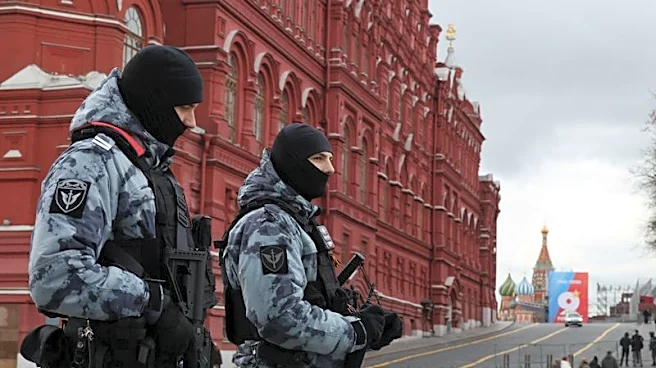
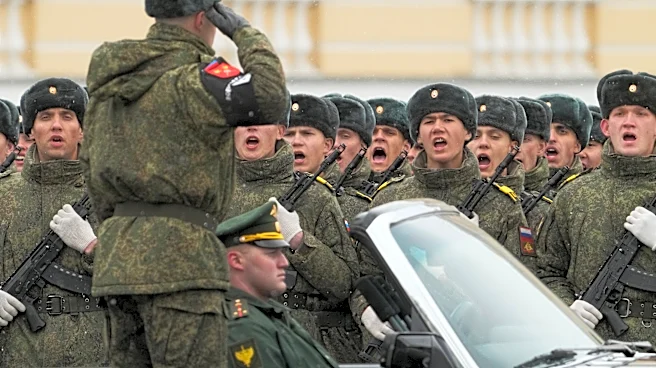
Russia's Victory Day parade on May 9 will proceed without military equipment for the first time in nearly two decades. The Russian Ministry of Defense cited the 'current operational situation' as the reason for this decision, which comes amid concerns
over potential Ukrainian drone attacks. Traditionally, the parade has showcased tanks, armored vehicles, and missile systems, but this year it will feature servicemen from military educational institutions and a traditional aircraft flyover. The parade marks the Soviet victory over Nazi Germany and has been a significant event under President Vladimir Putin's leadership, used to bolster national pride and Russia's global standing.
Why It's Important?
The absence of military hardware from the Victory Day parade is significant as it reflects the ongoing security challenges Russia faces due to the conflict with Ukraine. The decision underscores the vulnerability of military assets to drone attacks, which have become a strategic tool for Ukraine. This change could impact Russia's domestic and international image, as the parade has historically been a display of military strength. The move may also indicate a shift in Russia's approach to managing its military resources amid the prolonged conflict, potentially affecting its military strategy and public perception.
What's Next?
The decision to exclude military equipment from the parade may lead to further strategic adjustments by Russia in its military operations and public displays. It could prompt discussions among military and political leaders about the security of high-profile events and the allocation of military resources. Additionally, the international community will likely monitor Russia's response to ongoing Ukrainian drone attacks and any subsequent military or diplomatic actions. The parade's outcome may influence future military parades and Russia's approach to showcasing its military capabilities.