




What's Happening?
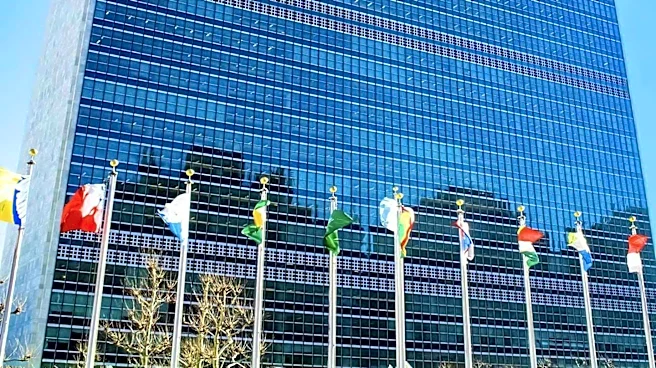
UN Women is actively working to eliminate discrimination against women and girls, as evidenced by a new job listing for a Programme Specialist in Windhoek, Namibia. This role, embedded within the Resident Coordinator’s Office (RCO), aims to bolster gender
equality and women’s empowerment across UN Cooperation Framework implementation, inter-agency coordination, partnerships, and joint initiatives. The Programme Specialist will provide high-quality gender analysis, policy advice, and strategic support to the Resident Coordinator and the UN Country Team (UNCT). Key responsibilities include coordinating gender analysis, preparing policy briefs, and supporting the UNCT in integrating gender equality into planning, implementation, monitoring, and reporting. The position also involves strengthening gender mainstreaming in the Common Country Analysis and Cooperation Framework, ensuring that gender is not treated as a standalone issue but integrated into all work plans and results frameworks. This initiative underscores UN Women's commitment to its triple mandate: normative support, UN system coordination, and operational activities, particularly in countries where it lacks a physical presence.
Why It's Important?
This initiative is crucial for advancing gender equality and women's empowerment within the United Nations system and in Namibia. By embedding a Programme Specialist directly within the Resident Coordinator's Office, UN Women aims to ensure that gender considerations are central to all UN development efforts in the country. This strategic placement facilitates a more coherent and impactful approach to addressing gender disparities, moving beyond isolated projects to systemic integration. The focus on strengthening gender mainstreaming in national development frameworks means that policies and programs will be designed with a deeper understanding of their differentiated impacts on women, men, girls, and boys, and will actively work to dismantle intersecting forms of discrimination. This effort is vital for achieving the Sustainable Development Goals, particularly Goal 5 on Gender Equality, and for fostering a more inclusive and equitable society where women and girls can fully participate and benefit from development, human rights, humanitarian action, and peace and security. The success of such roles can serve as a model for other nations seeking to enhance gender-responsive governance and development.
What's Next?
The immediate next step involves the successful recruitment and onboarding of the Programme Specialist in Windhoek, Namibia. Once in place, the specialist will begin implementing the outlined responsibilities, focusing on integrating gender equality into the UN Cooperation Framework and providing expert advice to the UNCT. This will include coordinating gender analysis, developing policy recommendations, and supporting the application of gender accountability tools like the UNCT-SWAP Gender Equality Scorecard. Over time, the role is expected to lead to more gender-responsive programming, increased capacity among UNCT members on gender mainstreaming, and stronger partnerships with government institutions and civil society organizations, particularly women's rights groups. The long-term goal is to achieve measurable progress in gender equality and women's empowerment in Namibia, with the potential for this model to be replicated in other countries where UN Women operates under a non-physical presence modality. The initiative will also contribute to global evidence on effective strategies for gender mainstreaming within international development efforts.
Beyond the Headlines
Beyond the immediate programmatic goals, this initiative reflects a broader shift in international development towards more integrated and systemic approaches to gender equality. By emphasizing gender mainstreaming across all UN activities, rather than treating gender as a separate issue, UN Women is promoting a fundamental change in how development is conceived and implemented. This approach acknowledges that gender inequality is deeply embedded in social, economic, and political structures, and therefore requires comprehensive, multi-sectoral interventions. The focus on capacity development for UNCT members and partners highlights the importance of building local expertise and ownership in advancing gender equality. Furthermore, the role's emphasis on leveraging regional and global expertise from UN Women ESARO underscores the interconnectedness of global efforts to combat discrimination against women and girls. This holistic strategy aims to create sustainable change by fostering an environment where gender equality is a core principle guiding all development efforts, ultimately leading to more equitable and just societies.