



What's Happening?
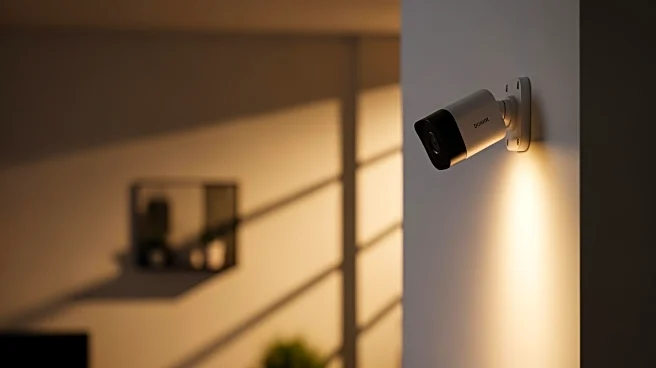
The increasing popularity of home security cameras has led to a surge in their installation across the U.S. However, experts emphasize the importance of strategic placement to maximize their effectiveness. Key recommendations include avoiding obstructions
such as trees and shrubs that may grow and block the camera's view over time. Additionally, placing cameras near windows can cause glare issues, while positioning them near vents or heaters can damage the camera due to heat and particulate matter. It's also advised to avoid placing cameras in areas that surveil the sky, as this can lead to glare and UV damage. Instead, cameras should be placed in visible locations to deter potential intruders, as studies show that visible security systems can discourage break-ins. Privacy considerations are also crucial, as cameras should not infringe on neighbors' privacy by pointing into their private spaces.
Why It's Important?
The proper installation of home security cameras is vital for ensuring the safety and security of residential properties. By following expert guidelines, homeowners can enhance the effectiveness of their security systems, potentially reducing the risk of burglaries. The strategic placement of cameras not only helps in capturing clear footage but also acts as a deterrent to criminals. Moreover, respecting privacy laws and neighbors' rights is essential to avoid legal issues and maintain good community relations. As security technology becomes more accessible, understanding these nuances can help homeowners make informed decisions that protect their property while respecting others' privacy.
What's Next?
Homeowners are likely to continue investing in security systems as technology advances and becomes more affordable. Future developments may include more sophisticated cameras with better resolution and features that address current limitations such as glare and heat sensitivity. Additionally, as privacy concerns grow, there may be increased regulation and guidelines on the use of surveillance technology in residential areas. Homeowners should stay informed about these changes to ensure compliance and optimize their security setups.