


What's Happening?
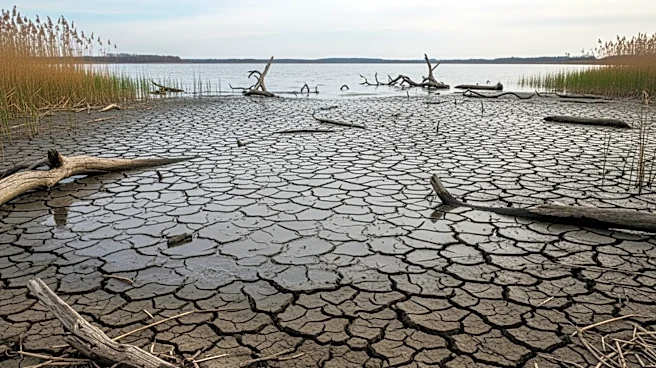
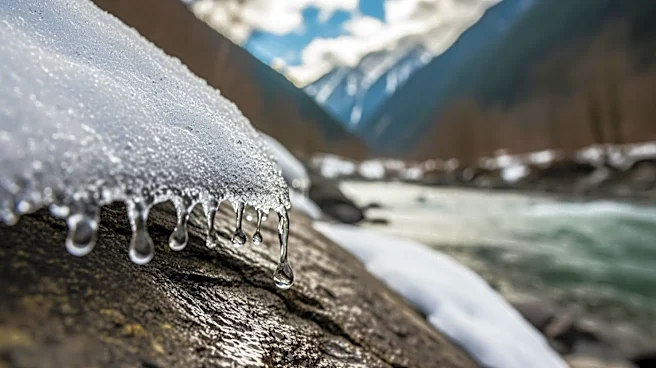
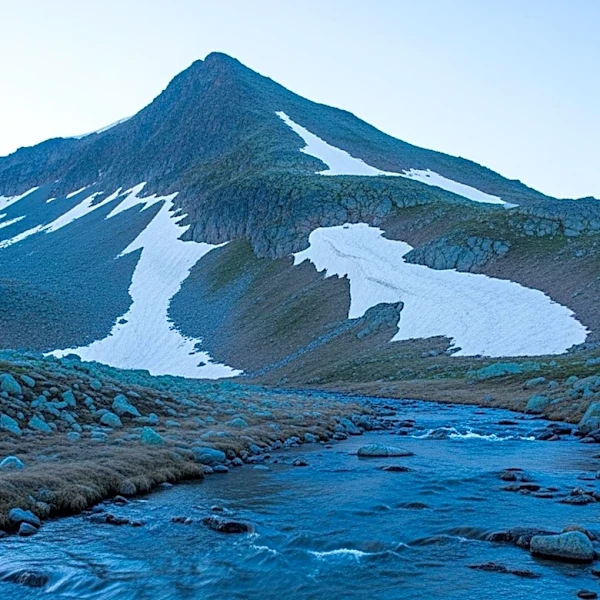
The Klamath National Forest is experiencing a significant decline in its snowpack, with current levels at just 0.8% of the historical average. This dramatic reduction, reported by the U.S. Forest Service, is a result of the spring melt, which has left
most of the region's snowpack depleted. The snowpack's water content, crucial for the state's water supply, is also at 0.8% of the average. The data, collected as part of the California Cooperative Snow Surveys program, is vital for forecasting water availability for agriculture, power generation, and other uses.
Why It's Important?
The decline in the Klamath snowpack is a critical issue for California's water supply, as snowmelt is a major source of water for the state. The reduced snowpack could lead to water shortages, impacting agriculture, energy production, and residential water use. This situation highlights the broader challenges of water management in the face of climate variability and changing weather patterns. The data from the snow surveys is essential for planning and managing water resources, and the current findings may prompt discussions on water conservation measures and alternative water sources.
What's Next?
State and local water management agencies will likely use the snow survey data to adjust water allocation and conservation strategies. There may be increased efforts to promote water-saving practices among residents and businesses. Additionally, the situation could lead to policy discussions on long-term water management solutions, including investments in infrastructure and technology to enhance water storage and distribution. The findings may also influence environmental policies aimed at addressing the impacts of climate change on water resources.