




What's Happening?
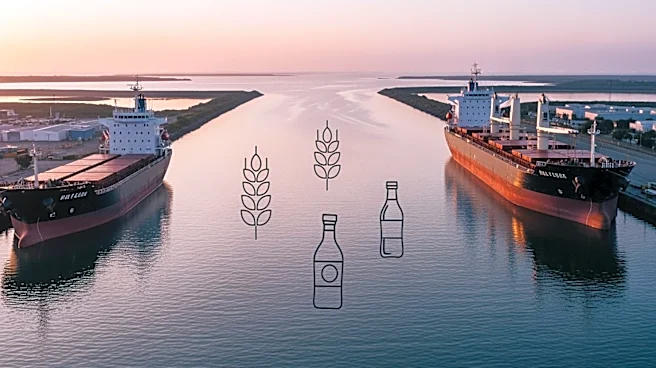
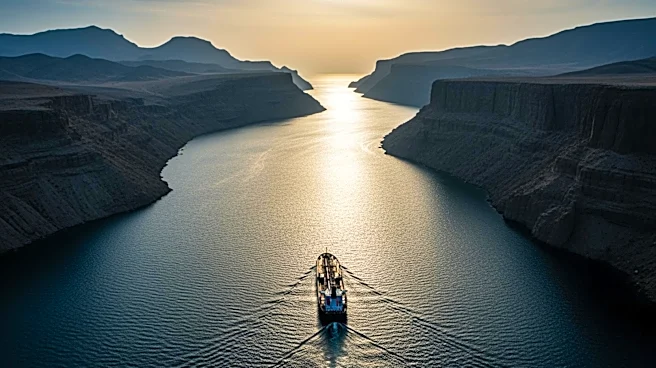
The International Monetary Fund (IMF) has issued a warning that the Strait of Hormuz may not return to normal traffic levels, drawing parallels to the Strait of Bab al-Mandeb, which has not fully recovered from past disruptions. The IMF highlighted the ongoing
effects of regional conflicts on oil prices and supply chains, suggesting a potential shift in global trade routes. The situation is compounded by damage to Gulf oil and gas fields, which may take years to restore.
Why It's Important?
The Strait of Hormuz is a critical chokepoint for global oil transportation, and prolonged disruptions could have significant implications for international energy markets and geopolitical stability. The IMF's warning underscores the need for alternative trade routes and energy strategies to mitigate risks associated with regional conflicts. The potential rerouting of pipelines and trade routes could reshape global energy dynamics and influence economic policies.
What's Next?
Countries and energy companies may explore alternative routes and infrastructure projects to bypass the Strait of Hormuz, potentially involving significant investments and geopolitical negotiations. The situation may also prompt further diplomatic efforts to stabilize the region and ensure the security of critical trade routes. Ongoing monitoring and strategic planning will be essential to address the long-term impacts on global energy markets.