

What's Happening?
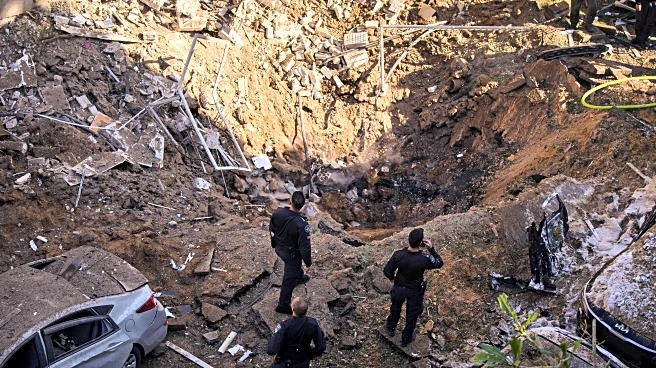
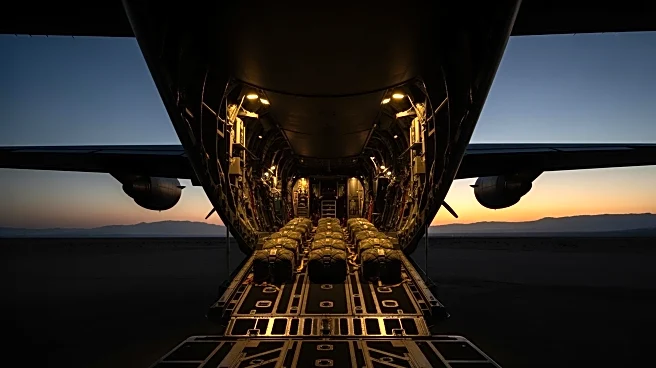
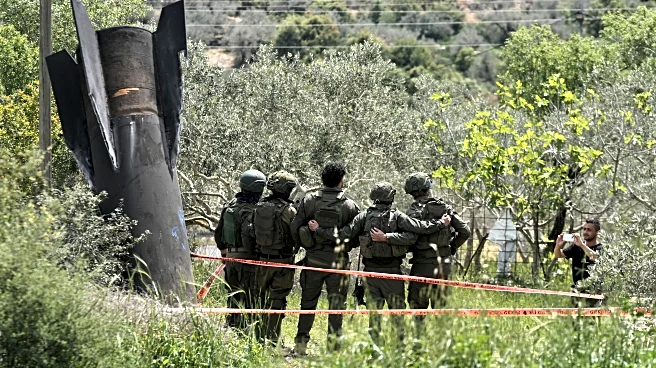
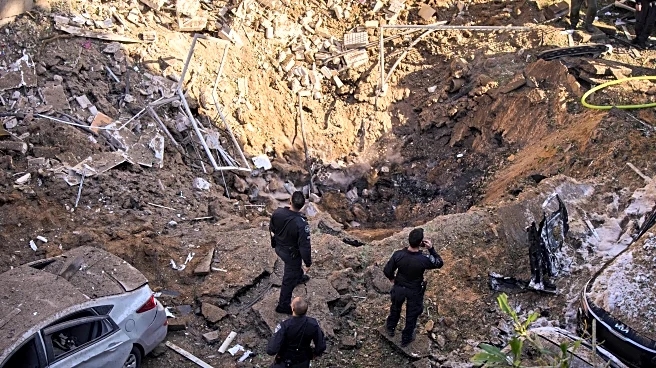
President Trump has ordered the deployment of thousands more U.S. troops to the Middle East, with at least 2,000 paratroopers receiving mobilization orders. This move aligns with ongoing diplomatic efforts to negotiate an end to the conflict with Iran,
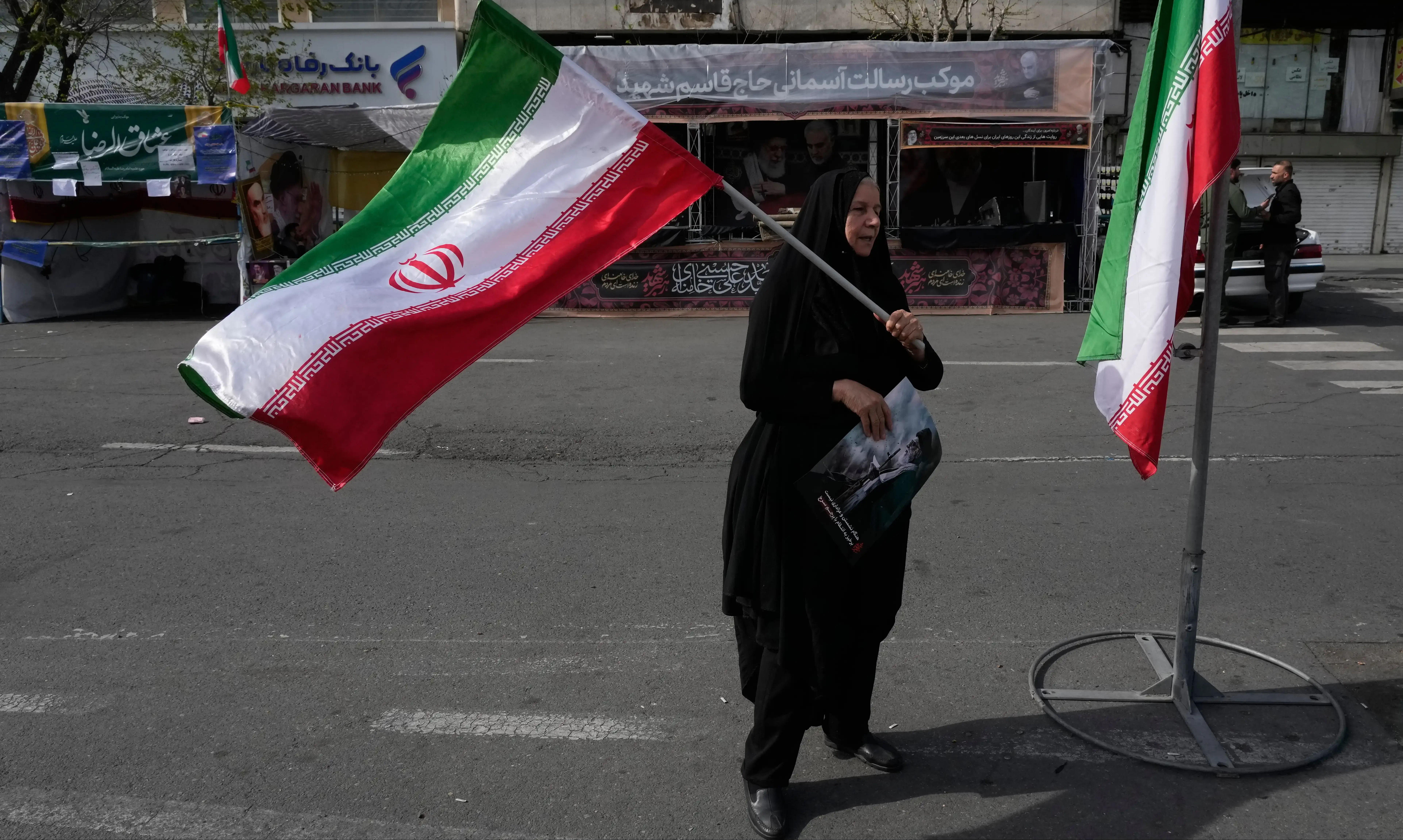
despite Iran's denial of any ongoing talks. The deployment includes the Commander of the 82nd Airborne Division and his staff, although their specific mission remains undisclosed. The U.S. has historically prepared for potential operations in the Persian Gulf, including the strategic Kharg Island, which has been a focus of recent U.S. military actions.
Why It's Important?
The deployment of additional U.S. troops signifies a significant escalation in the U.S. military's involvement in the Middle East, potentially increasing the risk of U.S. casualties and further complicating diplomatic efforts. The move reflects the strategic importance of the region, particularly the Strait of Hormuz, a critical chokepoint for global oil shipments. The increased military presence could impact global oil markets and economic stability, while also influencing U.S. foreign policy and military strategy. The situation underscores the complexities of balancing military actions with diplomatic negotiations in a volatile region.
What's Next?
The deployment may lead to heightened military operations in the Middle East, with potential implications for U.S.-Iran relations and regional stability. The presence of additional troops could provoke responses from Iran and its allies, potentially escalating the conflict. The U.S. may face challenges in maintaining diplomatic channels while managing military engagements. The situation could also impact domestic politics, as policymakers and the public weigh the costs and benefits of increased military involvement. The outcome of the conflict may influence future U.S. military and foreign policy decisions in the region.