






What's Happening?
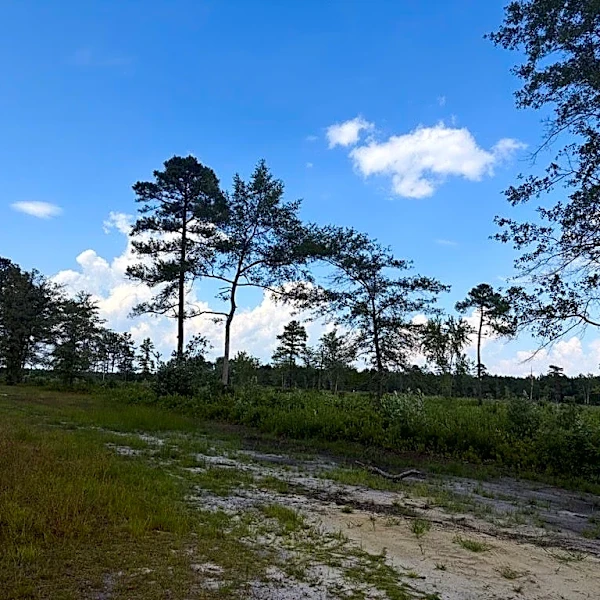
Community members gathered at 106 Coming Street in Charleston, South Carolina, to honor thousands of individuals buried at the site of a future College of Charleston freshman residence hall. The site served as a public burial ground from 1794 to 1807,
where historians estimate thousands, including enslaved people, free people of color, and impoverished residents, were interred. The event, titled 'A Celebration of Ancestors Unknown but Not Forgotten,' included reflection, prayer, libation, drumming, singing, and dance. Organized by the Burial Ground Commemoration and Memorialization Task Force, the gathering aimed to pay respect before construction and archaeological work proceeds. A radar survey in February identified over 175 anomalies, with two dozen interpreted as possible graves.
Why It's Important?
This commemoration is profoundly important as it acknowledges and honors a significant, yet often overlooked, part of Charleston's history, particularly the lives of marginalized individuals buried without formal recognition. It highlights the ethical complexities involved when development projects intersect with historical burial grounds, especially those containing the remains of enslaved people. The event underscores the community's desire for respectful treatment of ancestral sites and raises questions about historical preservation, cultural sensitivity, and the narratives we choose to remember. For the College of Charleston, it presents a challenge to balance expansion needs with historical responsibility and community concerns.
What's Next?
The College of Charleston plans to remove the asphalt parking lot covering most of the site after October 25 and conduct another radar survey before excavation. While the college has formed a task force and held community meetings, some activists, like Marcus McDonald of Charleston Black Lives Matter, advocate for slowing down the project, arguing that removing the asphalt is already disrespectful. The ongoing dialogue between the college and community groups will determine the extent of archaeological investigation, reinterment protocols, and the final design of the memorialization efforts. The outcome will set a precedent for how similar historical sites are managed in the future.
Beyond the Headlines
This situation delves into deeper implications concerning historical memory, racial justice, and the power dynamics inherent in urban development. The site's history as a burial ground for enslaved and marginalized people brings to the forefront the ongoing struggle to acknowledge and reconcile with the legacies of slavery and systemic inequality in the U.S. It challenges institutions to consider not just the physical space but also the spiritual and cultural significance of such sites to descendant communities. The differing views on the site's future—between development and preservation—reflect broader societal debates about how historical injustices are addressed and how the past is integrated into contemporary urban landscapes.