



What's Happening?
Hawaiian Airlines and Alaska Airlines are implementing significant operational changes at Honolulu Airport, set to take effect on October 3, 2026. These adjustments primarily impact inter-island travel and international departures. Alaska Airlines will
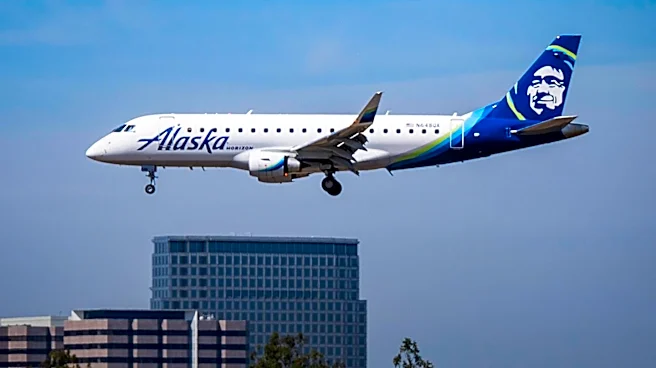
introduce Boeing 737-800 flights between Honolulu and Kahului, operating three daily round trips alongside Hawaiian Airlines' existing Boeing 717 service. This new service will necessitate an earlier check-in deadline for all Neighbor Island flights, requiring passengers to check in and drop off bags at least 50 minutes before departure, an increase from the current 30-minute cutoff. Additionally, Hawaiian Airlines will consolidate check-in and bag drop for all international departures from Honolulu to Terminal 2, Lobby 4, moving from its current location in Terminal 1, Lobby 3. The airline states this relocation aims to accommodate the new 737 operations and enhance passenger flow. Passengers traveling on the new Alaska-branded 737 service will find bag drop for Honolulu to Kahului flights at Terminal 1, Lobby 3, while Kahului to Honolulu passengers will use Alaska's counters next to Hawaiian's for check-in and bag drop. The new 737 aircraft will feature upgraded interiors, in-seat power, USB charging, and free Starlink Wi-Fi on equipped planes.
Why It's Important?
These changes are important for several reasons, impacting both travelers and the operational efficiency of Honolulu Airport. The earlier check-in deadline for Neighbor Island flights, while intended to improve baggage handling and on-time departures, will require passengers to adjust their travel plans and arrive at the airport earlier. This could particularly affect frequent inter-island travelers and local residents. The consolidation of international check-in at Terminal 2 for Hawaiian Airlines aims to streamline operations and potentially reduce congestion in Terminal 1, benefiting international passengers with a more organized process. The introduction of Alaska Airlines' 737-800 flights on the Honolulu-Kahului route signifies increased capacity and competition, which could lead to improved services and potentially more competitive pricing for travelers. The upgraded amenities on the new 737 aircraft, such as in-seat power and free Starlink Wi-Fi, will enhance the passenger experience, making inter-island travel more comfortable and connected. For Hawaii residents enrolled in Huakaʻi by Hawaiian, the continuation of member benefits on both airlines' Neighbor Island flights, including free checked bags and discounts, ensures loyalty programs remain valuable despite the operational shifts.
What's Next?
Effective October 3, 2026, passengers traveling between the Hawaiian Islands and those departing internationally from Honolulu on Hawaiian Airlines will need to adhere to the new check-in procedures and terminal assignments. Travelers are advised to check their flight information carefully before heading to the airport and allow extra time to navigate the new check-in locations. Hawaiian Airlines plans to retire its Boeing 717 fleet in 2028, transitioning entirely to Hawaiian-branded 737 aircraft with upgraded interiors and Starlink Wi-Fi. This future transition indicates a broader modernization effort for Hawaiian Airlines' inter-island fleet. The initial phase with Alaska-branded 737s will serve as a supplemental service, providing additional capacity while Hawaiian prepares for its full fleet replacement. The success of these initial changes will likely influence future operational decisions and passenger experience improvements at Honolulu Airport. Stakeholders, including airport authorities, airlines, and passenger advocacy groups, will monitor the implementation to ensure smooth transitions and address any unforeseen challenges.
Beyond the Headlines
The operational changes at Honolulu Airport reflect a broader trend in the airline industry towards optimizing efficiency and enhancing passenger experience through fleet modernization and strategic partnerships. The collaboration between Hawaiian Airlines and Alaska Airlines, particularly in sharing routes and maintaining loyalty program benefits, highlights a growing inter-airline cooperation model to serve specific regional markets more effectively. The decision to replace the Boeing 717 fleet with 737 aircraft by 2028 underscores a commitment to newer, more fuel-efficient planes, which could have long-term environmental and economic benefits for the airlines. The integration of advanced in-flight amenities like Starlink Wi-Fi on inter-island flights sets a new standard for regional air travel, catering to the increasing demand for connectivity. These changes also subtly shift the competitive landscape within the Hawaiian inter-island market, potentially influencing pricing strategies and service offerings from other carriers. The emphasis on earlier check-in times, while practical for operations, also points to the increasing complexities of airport logistics and security in a high-traffic environment, requiring passengers to adapt to evolving travel norms.