






What's Happening?
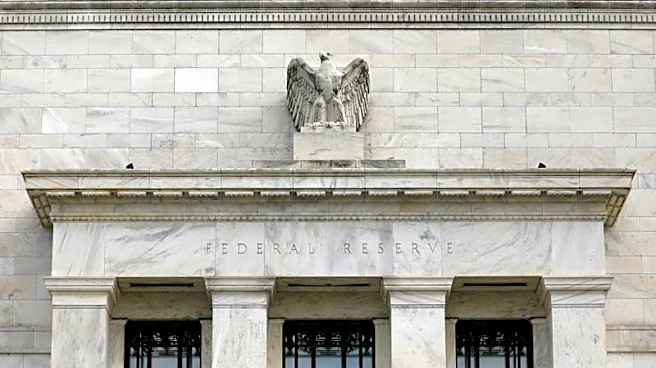
The independence of the Federal Reserve's regional banks is under scrutiny amid political and legal challenges. San Francisco Federal Reserve President Mary Daly and other regional bank presidents are seen as crucial to maintaining the Fed's democratic
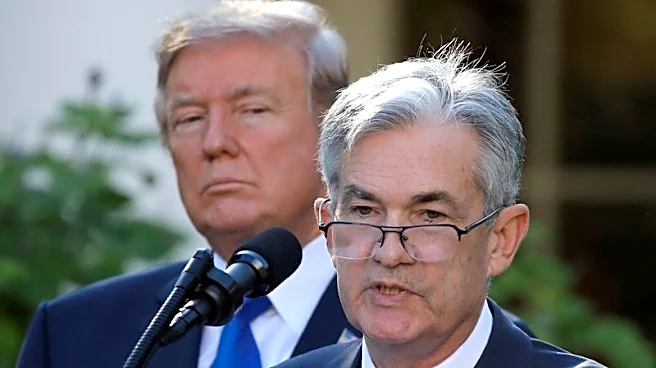
legitimacy. However, a Supreme Court case regarding President Trump's authority to fire a Fed governor and the transition between Fed Chair Jerome Powell and his successor, Kevin Warsh, are testing this independence. Treasury Secretary Scott Bessent has criticized some Fed practices, adding to the pressure. The regional banks, which provide local insights into policymaking, are integral to the Fed's structure, balancing centralized power with regional input.
Why It's Important?
The independence of the Federal Reserve is vital for maintaining stable monetary policy free from political influence. Challenges to this independence could impact the Fed's ability to manage the economy effectively. The outcome of the Supreme Court case and the political dynamics surrounding the Fed's leadership transition could set precedents affecting the central bank's future operations. Any perceived erosion of independence might lead to increased market volatility and affect investor confidence in U.S. economic policy.
What's Next?
The Supreme Court's decision on the president's authority to dismiss Fed officials will be pivotal. If the court rules in favor of increased presidential control, it could lead to significant changes in how the Fed operates. Meanwhile, the confirmation of Kevin Warsh as Fed Chair is pending, with political negotiations ongoing. The Fed's regional banks will continue to play a critical role in shaping monetary policy, but their future independence may depend on the outcomes of these legal and political battles.