

What's Happening?
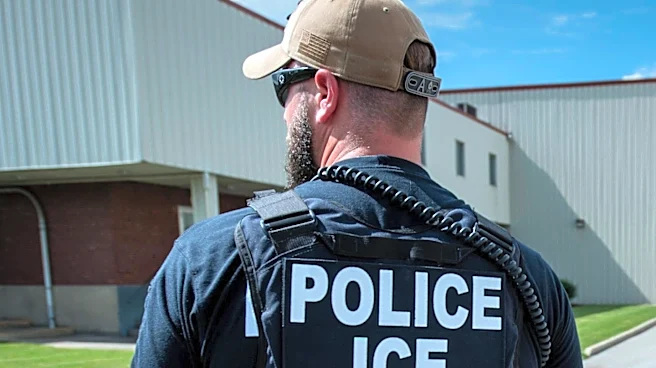
Senator Rand Paul, Chairman of the Senate Committee on Homeland Security and Governmental Affairs, has refused to schedule a confirmation hearing for Lance Schroyer, President Trump's nominee to lead Immigration and Customs Enforcement (ICE). Senator Paul is
demanding more detailed information from the administration regarding its investigations into the deaths of two American citizens who were shot by federal agents in Minneapolis in January. Renée Good was killed by an ICE agent during a traffic stop, and Alex Pretti was fatally shot by Border Patrol officers after intervening in an incident. Senator Paul has publicly pressed for accountability, questioning the administration's defense of the shootings and challenging the actions of federal agents, citing an incident where a bystander was taken down by an agent before Pretti's shooting. The standoff is exacerbated by a structural gap in oversight, as FBI field offices were reportedly instructed to transfer assault claims involving immigration agents to Homeland Security Investigations, a unit within ICE itself, effectively leaving internal DHS accounts as the primary record of these incidents.
Why It's Important?
This action by Senator Paul highlights a significant point of tension between congressional oversight and executive branch operations, particularly concerning federal law enforcement agencies. The delay in confirming an ICE director leaves the agency under acting leadership, potentially impacting its long-term strategic direction and stability. The demand for transparency in investigations of federal agent shootings underscores broader concerns about accountability and the use of force by government officials. The reported shift of investigative authority from the FBI to an internal ICE unit raises questions about the impartiality and thoroughness of such probes, potentially eroding public trust in federal law enforcement. This situation could set a precedent for future confirmation processes, where senators might leverage their positions to demand specific information or policy changes from the administration, thereby influencing the balance of power between the legislative and executive branches.
What's Next?
The confirmation of Lance Schroyer as ICE director will remain in limbo until Senator Paul's demands for more detailed information on the federal agent shooting investigations are met. The administration will need to decide whether to provide the requested details to unblock the nomination or continue the standoff. This situation could lead to further public debate and scrutiny of federal law enforcement practices and internal oversight mechanisms. Depending on the administration's response, Senator Paul could either proceed with the hearing or maintain his hold, prolonging the period of acting leadership at ICE. The outcome may also influence future legislative efforts to reform federal law enforcement accountability or oversight processes, potentially leading to new policies or congressional inquiries into agency practices.
Beyond the Headlines
The underlying issue extends beyond a single nomination, touching upon fundamental questions of governmental transparency, accountability for federal agents, and the independence of investigations into critical incidents. The reported internal resistance within DHS to President Trump's nominee, coupled with Senator Paul's hold, suggests deeper institutional dynamics and potential power struggles within the federal government. The debate over who investigates federal agent misconduct—an independent body or an internal agency unit—has profound implications for civil liberties and public confidence in justice. This episode could contribute to a broader re-evaluation of the checks and balances on executive power, particularly in areas involving national security and law enforcement, and may fuel calls for more robust external oversight of federal agencies.