




What's Happening?
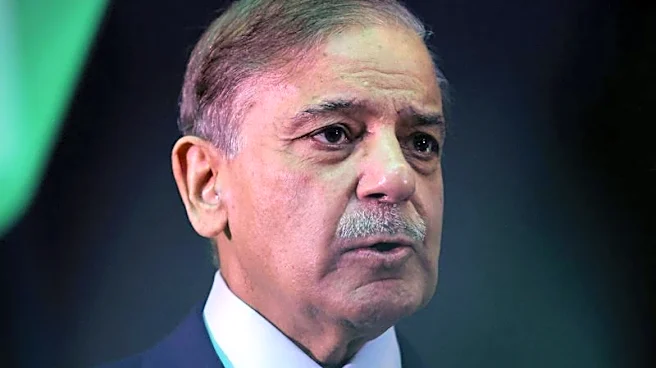
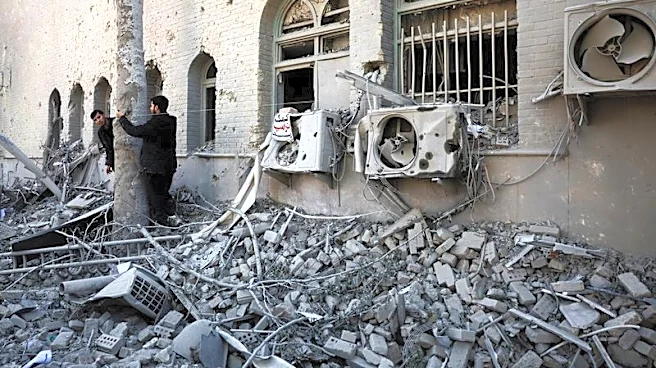
Pakistan has played a crucial role in securing a temporary ceasefire between Iran and the United States, preventing the collapse of mediation efforts aimed at halting the Iran war. The diplomatic push came after an Iranian strike on a Saudi petrochemical
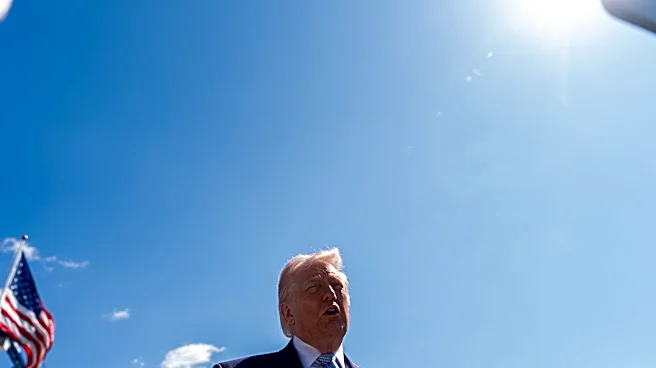
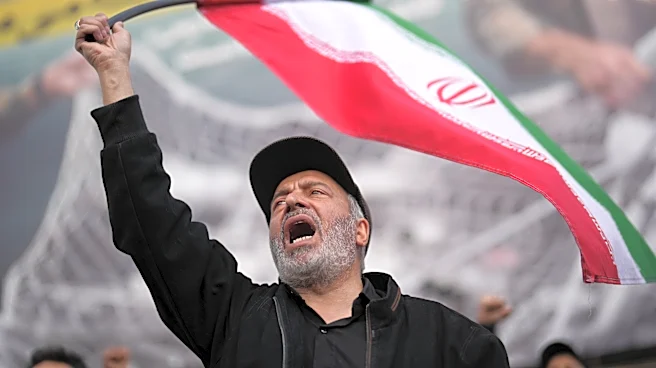
facility threatened to derail weeks of back-channel diplomacy. With a deadline set by President Trump looming, Pakistani officials engaged in intense negotiations, involving direct contact with top officials from the U.S., Iran, and Saudi Arabia. The effort was marked by late-night conversations and exchanges over a 15-point U.S. proposal, leading to Iran agreeing to a ceasefire without preconditions and entering negotiations.
Why It's Important?
The successful mediation by Pakistan underscores its strategic position in international diplomacy, particularly in the Middle East. The ceasefire prevents further escalation of conflict, which could have had severe implications for regional stability and global oil markets. Pakistan's involvement highlights its diplomatic influence and ability to broker peace in complex geopolitical situations. The ceasefire also opens the door for direct negotiations between the U.S. and Iran, potentially leading to a more stable and peaceful resolution to ongoing tensions.
What's Next?
Negotiations are set to begin on Saturday, with the U.S. delegation led by Vice President JD Vance, Steve Witkoff, and Jared Kushner. Iran has indicated willingness to turn over its stocks of enriched uranium, a significant step towards de-escalation. The talks will focus on key issues such as Iran's nuclear program and regional security dynamics. The outcome of these negotiations could shape future U.S.-Iran relations and influence broader Middle Eastern geopolitics.
Beyond the Headlines
The ceasefire and upcoming negotiations could have long-term implications for U.S. foreign policy in the Middle East. The involvement of Pakistan as a mediator may shift traditional alliances and influence power dynamics in the region. Additionally, the negotiations could impact global oil prices and economic stability, given the strategic importance of the Strait of Hormuz. The diplomatic efforts also highlight the complexities of balancing regional interests and international diplomacy.