
What's Happening?
Recent research from the USC Norris Comprehensive Cancer Center has identified a potential link between high consumption of fruits, vegetables, and whole grains and an increased risk of lung cancer in non-smoking
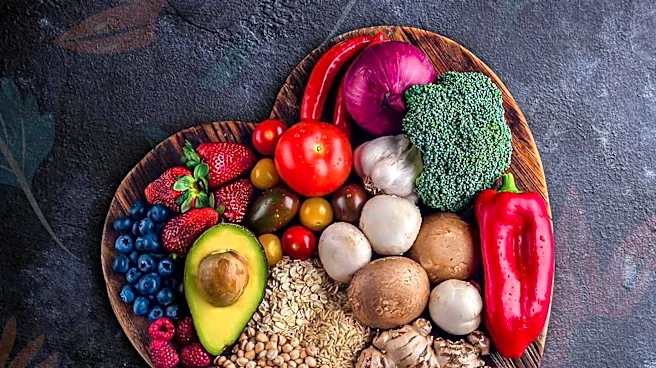
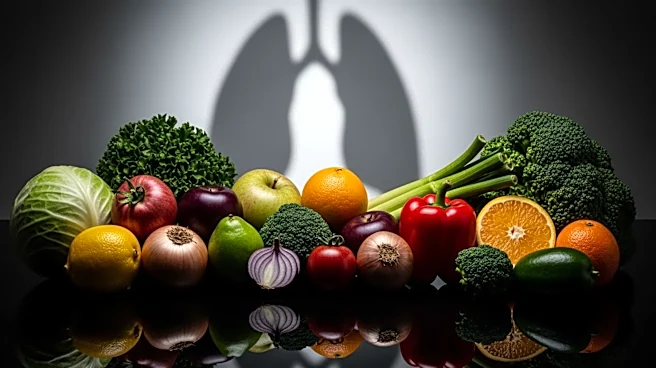
Americans under 50. The study, presented at the American Association for Cancer Research annual meeting, suggests that younger non-smokers who consume more of these foods than the general population may face a higher risk of developing lung cancer. Dr. Jorge Nieva, the lead investigator, highlighted the counterintuitive nature of these findings, which raise questions about an unknown environmental risk factor related to these otherwise beneficial foods. The study hypothesizes that pesticide exposure from commercially produced (non-organic) produce could be a contributing factor, as these foods tend to carry higher pesticide residues compared to dairy, meat, and processed foods.
Why It's Important?
This research challenges the conventional understanding of diet and cancer risk, particularly in non-smokers. It suggests that even healthy dietary choices might carry unforeseen risks due to environmental factors like pesticide exposure. This finding is significant as it could influence public health recommendations and dietary guidelines, especially for younger populations. The study also highlights a shift in lung cancer demographics, with non-smoking women under 50 now more likely to develop the disease than men. Understanding these patterns is crucial for developing targeted prevention strategies and could lead to changes in agricultural practices or food safety regulations to reduce pesticide exposure.
What's Next?
Further research is needed to confirm the link between pesticide exposure and lung cancer risk. The study's next steps involve measuring pesticide levels in patients' blood or urine to establish a direct connection. This could also help identify specific pesticides that pose greater risks. The findings may prompt public health officials to reassess dietary guidelines and consider the implications of pesticide use in agriculture. Additionally, the research could lead to increased advocacy for organic produce or changes in food labeling to inform consumers about potential risks.
Beyond the Headlines
The study underscores the complexity of dietary health and the potential unintended consequences of environmental exposures. It raises ethical questions about the responsibility of food producers and regulators in ensuring consumer safety. The research also highlights the need for a broader understanding of how lifestyle factors and environmental exposures interact to influence health outcomes. Long-term, this could lead to a reevaluation of what constitutes a 'healthy' diet and drive innovation in agricultural practices to minimize harmful exposures.