








What's Happening?
Chicago Mayor Brandon Johnson conducted a tour of the 75th Street corridor in Chatham, visiting local businesses such as Tailor's Row and Boss Shine Shoe Shop. The tour, part of a 'neighborhood tour' to boost small businesses and economic development,
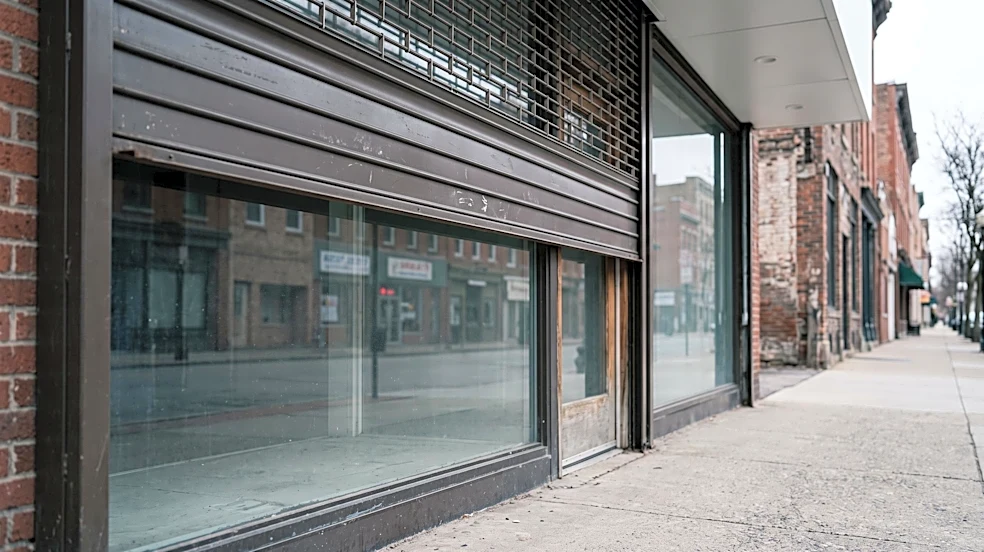
also served as a platform for the mayor to launch his reelection campaign. During his visit, Mayor Johnson addressed a recent surge in burglaries and break-ins targeting small businesses on 75th Street and in other Chicago neighborhoods like Bronzeville, Beverly, Portage Park, Avondale, Logan Square, and Wicker Park. He acknowledged the discouraging nature of these crimes but stated they heighten his determination to combat them. The mayor indicated that the city has devised a strategy to reduce robberies and burglaries, which will be implemented in collaboration with police brass, though specific details were not provided. Business owners, including Nadia Wilkins of Nadia's Beauty Salon, expressed shock and disappointment over the break-ins, with some noting the difficulty in securing immediate assistance for repairs. Stephanie Hart, owner of Brown Sugar Bakery, mentioned that local police districts, neighbors, and the Chatham Business Association have primarily led the response to the incidents, with a Black-owned security firm now providing overnight security.
Why It's Important?
The mayor's tour and comments highlight the significant challenge that rising small business burglaries pose to urban economic development and community safety in Chicago. Small businesses are vital for local economies, providing jobs, services, and contributing to the character of neighborhoods. A wave of break-ins can deter entrepreneurship, force businesses to close, and create an environment of fear and instability. The response from local police districts, community associations, and the implementation of private security initiatives underscore the immediate need for effective crime prevention strategies. The mayor's emphasis on attracting and growing small businesses through economic development bonds and increasing foot traffic suggests a recognition of the interconnectedness between safety and economic vitality. The situation also brings to light the broader implications for urban policy, as city administrations grapple with balancing crime reduction efforts with economic growth and community support, particularly in underserved areas. The call for increased security, 24-hour surveillance, and a strong police presence reflects the urgent demands of business owners for tangible solutions to protect their livelihoods.
What's Next?
Mayor Johnson's administration is expected to implement the strategy devised to reduce robberies and burglaries, working with police brass. While specific details of this plan are currently undisclosed, its rollout will be a key focus for the city's efforts to address the ongoing crime wave affecting small businesses. Allyson Scrutchens, a candidate for the 6th Ward aldermanic seat, has helped secure a 30-day overnight security pilot program with E’Clat Security Group, a Black-owned firm, for businesses on the 75th Street corridor. There is hope among business owners, supported by donations from South Side churches, to extend this program beyond its initial 30-day period. As Mayor Johnson has announced his intention to seek a second term, his administration will likely continue to emphasize support for small businesses and economic development as part of his reelection campaign. Business owners on 75th Street are looking for sustained commitment from the city, regardless of who holds the mayoral office, to ensure the safety and prosperity of their establishments and the community.
Beyond the Headlines
The recent surge in burglaries targeting small businesses in Chicago, particularly in areas like Chatham, reveals deeper societal and economic vulnerabilities. Beyond the immediate financial losses and operational disruptions for business owners, these incidents erode community trust and can exacerbate existing inequalities. The reliance on local police districts, community associations, and private security firms for immediate response highlights potential gaps in broader city-wide security measures or resource allocation. The sentiment expressed by business owners, such as Nadia Wilkins's disappointment at the lack of mayoral visit to burglarized shops, underscores the importance of visible leadership and direct engagement in times of crisis to reassure and support affected communities. Furthermore, the mayor's focus on attracting and growing small businesses and increasing foot traffic as a crime deterrent points to a long-term strategy that intertwines economic development with public safety. This approach suggests a recognition that vibrant, active commercial corridors can inherently be safer, fostering a sense of collective ownership and vigilance among residents and business owners alike. The situation also touches upon the ethical considerations of security provision, particularly the role of private security in supplementing or supplanting public policing efforts in specific neighborhoods.