



What's Happening?
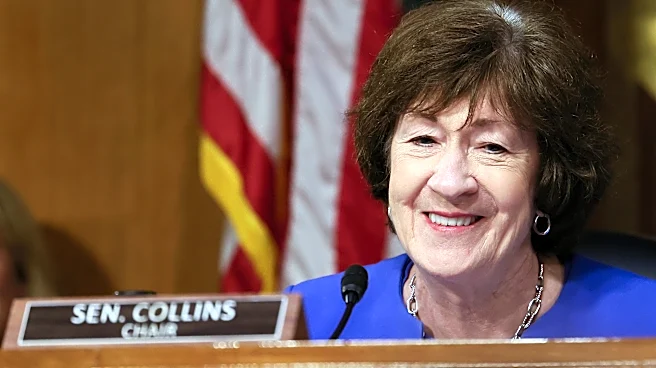
U.S. Senators Marsha Blackburn (R-Tenn.), Cory Booker (D-N.J.), Jacky Rosen (D-Nev.), Jeanne Shaheen (D-N.H.), Thom Tillis (R-N.C.), and John Boozman (R-Ark.) have introduced a bipartisan resolution aimed at recognizing the service and sacrifice of women
veterans across American history. The resolution seeks to highlight the contributions of women in all branches of the Armed Forces, acknowledge the unique challenges they face in accessing healthcare and benefits, and reaffirm support for women veterans and their families. Senator Blackburn emphasized that women have consistently answered the call to defend the nation, from the American Revolution to modern times. Senator Booker added that women have served with courage in every generation, often without due recognition, and stressed the need to provide them with earned benefits and support.
Why It's Important?
This bipartisan resolution is important because it formally acknowledges and celebrates the often-overlooked contributions of women in the U.S. military. Historically, the service of women veterans has not always received the same level of recognition as that of their male counterparts. By highlighting their sacrifices and courage, the resolution aims to correct this historical imbalance and ensure that future generations understand the full scope of military service. Furthermore, by addressing the unique challenges women veterans face, particularly in healthcare and benefits, the resolution draws attention to critical areas where policy and support systems need improvement. This initiative can foster a more inclusive and equitable environment for all veterans, ensuring that their service is honored and their needs are met.
Beyond the Headlines
The introduction of this resolution goes beyond mere recognition; it contributes to a broader cultural shift in how military service and veteran status are perceived in the U.S. It challenges traditional narratives that have often marginalized women's roles in defense, promoting a more comprehensive understanding of American military history. By emphasizing the 'unique challenges' faced by women veterans, the resolution also implicitly calls for a re-evaluation of existing support structures to ensure they are gender-sensitive and address specific needs, such as those related to reproductive health or experiences of military sexual trauma. This legislative effort can serve as a catalyst for further policy changes and increased funding for programs that specifically benefit women veterans, ultimately strengthening the overall veteran support system.