




What's Happening?
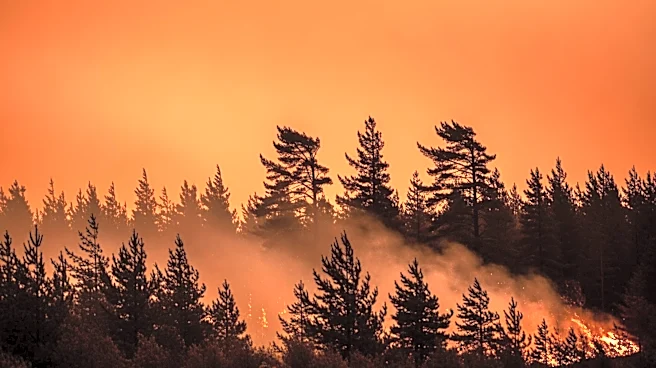
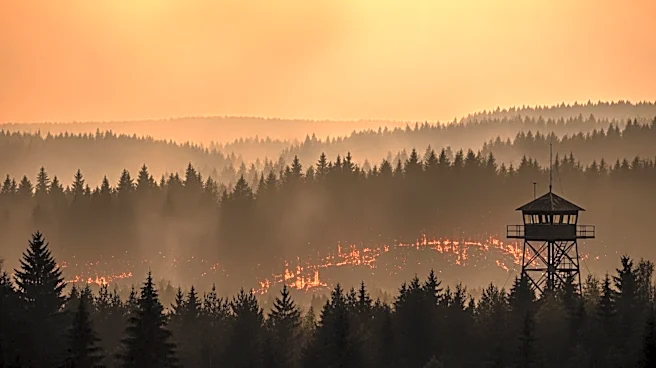
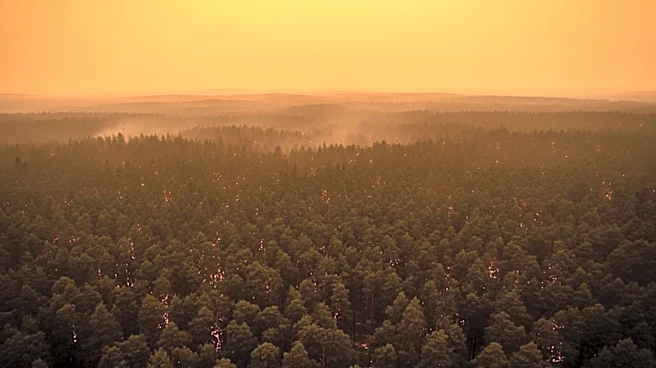
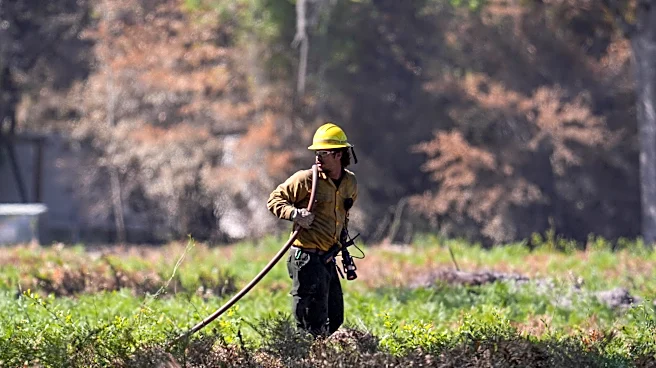
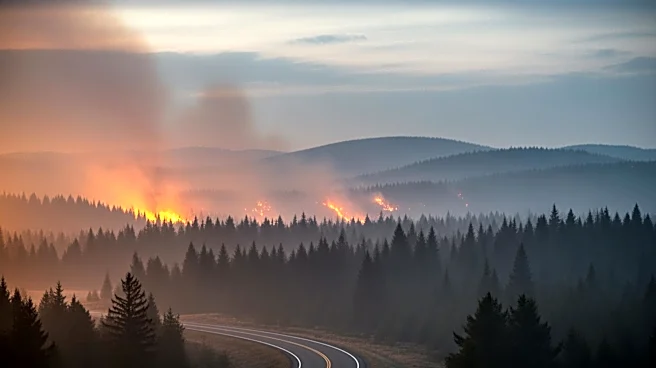
A significant wildfire in southeastern Georgia, known as the Highway 82 Fire, has expanded to cover more than 31 square miles. The fire, which began on April 20, has already destroyed at least 87 homes and is currently only 7% contained. The blaze is located
in Brantley County, approximately 35 miles north of the Florida state line. The fire's rapid growth is attributed to strong winds, with gusts expected to reach 15 mph. Local officials, including Brantley County Manager Joey Cason, have warned residents about potential evacuation orders, emphasizing the fire's dynamic nature and the danger posed by the wind. A second fire in Clinch and Echols counties, near the Florida border, has burned over 46 square miles and destroyed at least 35 homes. This fire was ignited by sparks from a welding operation, while the Highway 82 Fire was started by a foil balloon hitting power lines. Additional firefighting crews are expected to arrive to help control the fires.
Why It's Important?
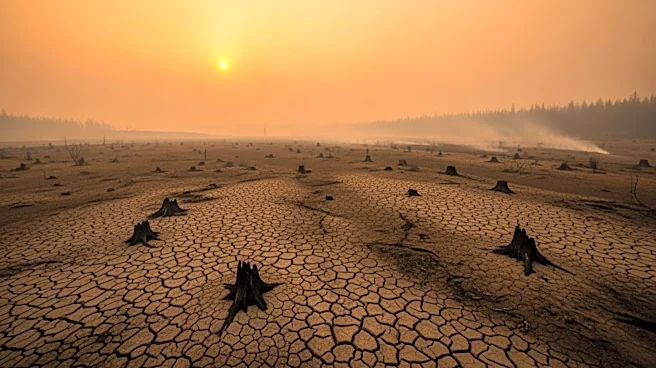
The expansion of the Georgia wildfires highlights the increasing threat of such natural disasters in the southeastern United States. The fires have already resulted in significant property damage and pose a continued risk to residents and infrastructure. The situation underscores the challenges posed by climate change, which scientists say is exacerbating fire risks through extreme drought and gusty winds. The fires also highlight the vulnerability of communities to unexpected ignition sources, such as the foil balloon incident. The ongoing fires have led to air quality warnings in affected areas, impacting public health and safety. The response to these fires involves significant resources and coordination among local and state agencies, emphasizing the need for effective disaster preparedness and response strategies.
What's Next?
As the fires continue to burn, authorities are preparing for potential evacuations and are working to contain the blazes. More firefighting resources are being deployed to the affected areas, with crews expected to arrive in the coming days. The focus will be on protecting structures and minimizing further damage. Residents in the path of the fires are advised to stay informed about evacuation orders and to prioritize their safety. The situation remains fluid, with weather conditions playing a critical role in the fires' behavior. Long-term, there may be discussions on improving fire prevention measures and addressing the underlying factors contributing to the increased frequency and intensity of wildfires in the region.