
What's Happening?
The United States has significantly increased its spending on nuclear weapons, according to a report by the International Campaign to Abolish Nuclear Weapons (ICAN). In 2025, the U.S. allocated $69.2 billion
to its nuclear arsenal, marking a 22% increase from the previous year. This expenditure surpasses the combined spending of the other eight nuclear-armed nations, including Russia, China, and the UK. The report highlights that the total global spending on nuclear weapons reached nearly $119 billion, with the U.S. contributing the largest share. This surge in spending is attributed to ongoing efforts to modernize and expand nuclear arsenals amid rising global tensions.
Why It's Important?
The increase in U.S. nuclear spending underscores the country's commitment to maintaining and enhancing its nuclear capabilities, which has significant implications for global security and international relations. The substantial investment reflects the U.S.'s strategic priorities in the face of perceived threats from other nuclear powers. This development may influence global arms control efforts and could potentially escalate tensions with countries like Russia, which has expressed concerns over NATO's nuclear infrastructure expansion. The financial resources allocated to nuclear weapons also raise questions about opportunity costs, as these funds could address other pressing global issues such as poverty and climate change.
What's Next?
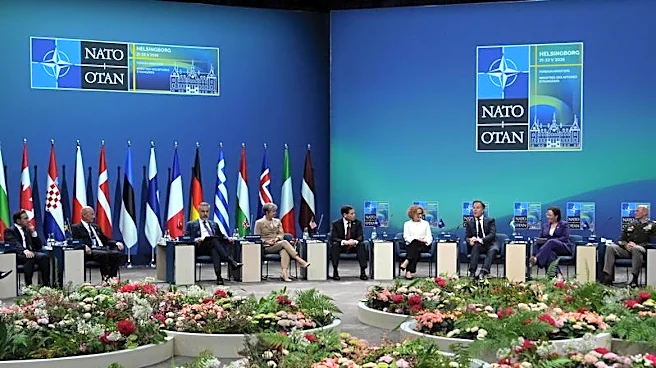
The U.S. is reportedly considering deploying its nuclear weapons to additional NATO member states in Europe, a move that could further strain relations with Russia. Countries neighboring Russia, such as Poland and the Baltic states, have shown interest in hosting U.S. nuclear weapons. This potential expansion of the nuclear-sharing arrangement may provoke a response from Moscow, which has already demanded the withdrawal of U.S. nuclear weapons from Europe. The international community will likely monitor these developments closely, as they could impact future arms control negotiations and regional security dynamics.
Beyond the Headlines
The ethical implications of increased nuclear spending are significant, as the resources could be redirected to humanitarian causes. ICAN's report highlights that a single day's nuclear weapons spending could feed two million people for a year. This raises moral questions about the prioritization of military expenditures over addressing global poverty and hunger. Additionally, the expansion of nuclear arsenals may contribute to a renewed arms race, challenging existing non-proliferation treaties and efforts to achieve global disarmament.