






What's Happening?
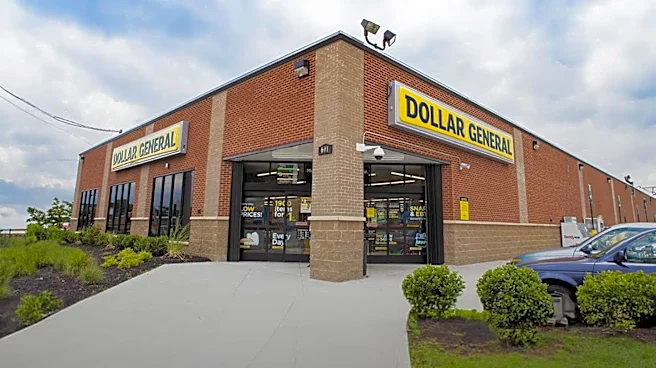
The Federal Trade Commission (FTC) and a coalition of 20 U.S. states have filed a lawsuit against Dollar General, alleging that the discount retailer routinely charged customers more than the advertised prices for various goods. The lawsuit, announced
on October 26, 2026, claims that Dollar General displayed one price on shelves, tags, and advertisements but charged a higher amount at checkout. Regulators assert that the company was aware of these widespread pricing discrepancies, having received tens of thousands of consumer complaints, but failed to implement adequate safeguards to prevent overcharging. The alleged practices affected millions of shoppers nationwide, particularly in low-income and rural communities.
Why It's Important?
This lawsuit is highly significant for U.S. consumers, particularly those who rely on discount retailers for essential goods, and for the retail industry as a whole. If proven, the allegations suggest a systemic failure to honor advertised prices, potentially costing shoppers millions of dollars. For consumers, this highlights the importance of vigilance when checking receipts and comparing prices. For the retail sector, it underscores the critical need for accurate pricing systems and robust compliance measures to avoid deceptive practices. The involvement of the FTC and 20 states signals a strong regulatory stance against consumer fraud, potentially leading to substantial penalties for Dollar General and setting a precedent for other retailers regarding pricing integrity and consumer protection.
What's Next?
The lawsuit seeks to hold Dollar General accountable under federal and state consumer protection laws. While the allegations have not yet been proven in court, the legal proceedings will likely involve extensive discovery and potentially a trial. Consumers who believe they have been overcharged are advised to check their receipts, document any discrepancies, and report suspicious pricing practices to the FTC or their state's consumer protection agency. Depending on the outcome, Dollar General could face significant fines, be required to implement new pricing controls, and potentially offer restitution to affected customers. The case may also pave the way for class-action lawsuits by consumers seeking compensation for alleged overcharges.
Beyond the Headlines
The Dollar General lawsuit touches upon deeper issues of corporate accountability and economic justice, particularly for vulnerable populations. Discount retailers often serve communities with limited access to other shopping options, making them essential for many households. Allegations of overcharging in such contexts raise concerns about predatory practices and the erosion of trust between businesses and their customers. Beyond the legal ramifications, this case could prompt a broader re-evaluation of pricing transparency and consumer protection mechanisms in the retail sector. It also highlights the power of collective action by regulatory bodies to address widespread consumer harm, emphasizing that even small, individual overcharges can accumulate into significant financial impact when multiplied across millions of transactions.