



What's Happening?
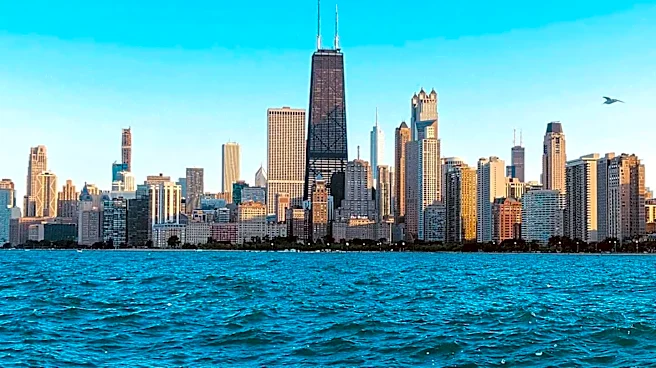
Michael McColly, a Chicagoan and author, reflects on the restorative power of swimming in Lake Michigan but also acknowledges the significant divide in Chicago regarding access to water recreation. He notes that while swimming offers numerous physical
and mental health benefits, it remains an exclusive activity for many U.S. residents, particularly in Chicago. Data from the American Red Cross and the Centers for Disease Control and Prevention indicate that over half of U.S. adults have never had formal swimming lessons, with percentages much higher for Black and Hispanic adults. In Chicago, a study by Lurie Children’s Hospital found that 46% of children had no exposure to water safety or swimming lessons, highlighting a critical gap in access and education.
Why It's Important?
This issue is important for the U.S. as it exposes deep-seated structural inequalities and socioeconomic factors that limit access to a vital life skill and recreational activity. The decline in swimming participation across the U.S., coupled with rising drowning deaths among those under 19, underscores a public health crisis. Lack of access to swimming lessons disproportionately affects minority communities and low-income families, perpetuating health disparities and safety risks. For a city like Chicago, with its extensive lakefront, the inability of many residents to safely enjoy Lake Michigan represents a failure to leverage a significant public resource for the benefit of all its citizens. Addressing this divide is crucial for promoting public health, safety, and equitable access to recreational opportunities.
What's Next?
The article implicitly calls for increased efforts to provide affordable and accessible swimming lessons and water safety education, particularly in underserved communities. This could involve expanding public swimming programs, securing funding for free or subsidized lessons, and implementing community outreach initiatives. The author's personal experience teaching swimming at the YMCA suggests that such programs can be transformative. Moving forward, there may be a push for policymakers and community leaders to recognize swimming as a fundamental skill and to invest in infrastructure and programs that ensure equitable access. Addressing the socioeconomic barriers to swimming education will be key to improving public health outcomes and reducing drowning incidents across the U.S.
Beyond the Headlines
The disparity in swimming access reflects broader issues of environmental justice and the unequal distribution of public resources. While Lake Michigan is a shared natural asset, its recreational benefits are not equally accessible to all Chicagoans, revealing how historical and ongoing systemic inequalities manifest in everyday life. The emotional and physical benefits of swimming, described by McColly as a 'spiritual practice,' highlight the profound impact of such activities on well-being. Denying access to these experiences not only poses safety risks but also deprives individuals of opportunities for stress reduction, physical fitness, and connection with nature. This situation calls for a re-evaluation of how urban spaces and natural resources are managed to ensure they serve the entire population, fostering a sense of belonging and shared community health.