






What's Happening?
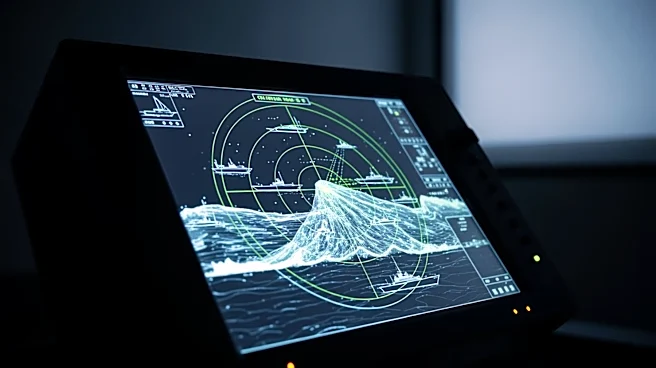
The Pentagon's inspector general is conducting an evaluation of the US Southern Command's operations involving strikes on alleged drug-trafficking boats in the Caribbean Sea and Pacific Ocean. These operations, part of Operation Southern Spear, have targeted
nearly 60 vessels and resulted in over 190 deaths since their inception last fall. The Trump administration has justified these strikes by claiming they are part of an 'armed conflict' against drug cartels, labeling those killed as enemy combatants. The inspector general's evaluation aims to determine whether the operations adhered to approved targeting methods. The frequency of these strikes has decreased following the capture of former Venezuelan President Nicolas Maduro, but they continue, with the latest strike occurring on May 8.
Why It's Important?
The evaluation by the Pentagon's inspector general is significant as it addresses concerns about the legality and ethical implications of the US military's actions against alleged drug traffickers. The operations have faced scrutiny from legal experts, members of Congress, and military lawyers, raising questions about the justification and execution of these strikes. The outcome of this evaluation could impact US military policy and operations, potentially influencing how the US engages with drug cartels and other non-state actors. It also highlights the ongoing debate over the use of military force in counter-narcotics operations and the broader implications for international law and human rights.
What's Next?
The inspector general's findings could lead to changes in how the US conducts operations against drug cartels, potentially affecting future military engagements and policy decisions. The evaluation may prompt further scrutiny from Congress and legal experts, influencing legislative and executive actions regarding military operations and the use of force. Additionally, the outcome could impact US relations with countries in the region, particularly those affected by the strikes. The evaluation's conclusions may also contribute to broader discussions on the role of the military in addressing non-traditional security threats.