






What's Happening?
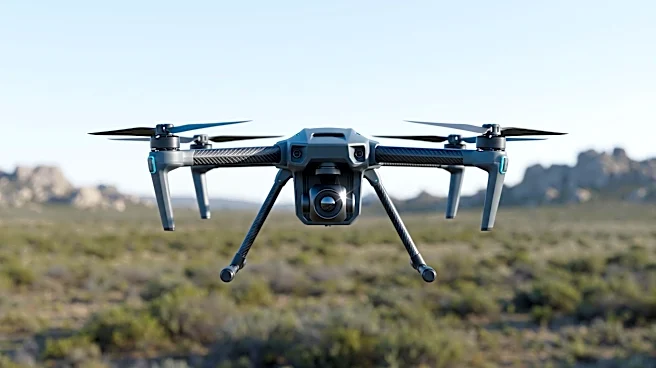
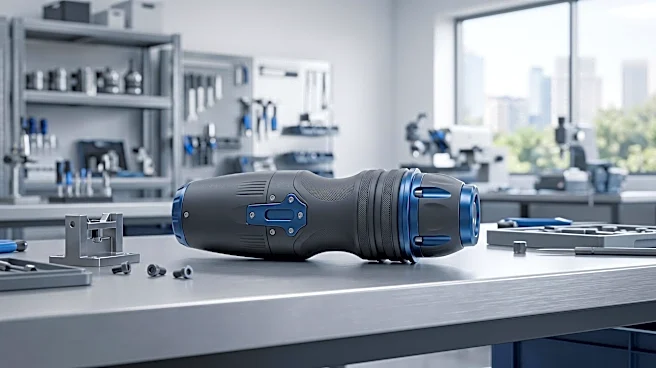
Utah-based defense company Vector has introduced its new 'Warfighter’s Stack,' an integrated one-way attack drone system. This system combines Vector's Mace quadcopter, a High-Voltage Electronic Safe and Arm Device (HV-ESAD), and the Hilt hand controller
into a single operational architecture. According to Vector co-founder and CEO Andy Yakulis, the system is designed for intuitive operation and scaled production, emphasizing the need for integrated systems in modern warfare. The Mace drone is described as a compact, attritable (inexpensive and replaceable) drone capable of maneuvering through complex environments, featuring low-light and thermal cameras, electronic warfare-resistant capabilities, and fiber-optic control support. Vector's participation in the Pentagon's Drone Dominance Program, which aims to expand and improve the domestic commercial drone industry, led to a government order for 5,000 of its drones after ranking fourth in the close-quarters battle category.
Why It's Important?
The introduction of the Warfighter’s Stack signifies a significant advancement in U.S. defense technology, particularly in the realm of unmanned aerial systems. The emphasis on 'attritable' drones suggests a shift towards cost-effective, mass-producible military assets that can be deployed in large numbers without significant financial burden. This approach could enhance the U.S. military's operational flexibility and tactical advantage in various combat scenarios, especially in contested environments. The integration of the drone, arming device, and controller into a single system streamlines deployment and operation, potentially reducing training time and increasing efficiency for warfighters. This development also highlights the Pentagon's commitment to fostering domestic drone manufacturing capabilities, reducing reliance on foreign suppliers and bolstering national security.
What's Next?
Vector has designed the Warfighter’s Stack with mass production in mind, stating its capability to fulfill orders in the thousands, though specific contract details and timelines remain undisclosed. The company's continued involvement in programs like the Drone Dominance Program suggests ongoing collaboration with the Department of Defense to refine and deploy advanced drone technologies. Future developments may include further integration with existing military command and control systems, as well as enhancements to the drone's capabilities, such as improved AI-driven targeting or extended operational range. The success of this integrated system could also spur further innovation in the defense industry, encouraging other companies to develop similar comprehensive drone solutions.
Beyond the Headlines
The rise of integrated one-way attack drone systems like the Warfighter’s Stack raises broader ethical and strategic questions about the future of warfare. The concept of 'attritable' drones, while economically advantageous, could lower the threshold for deployment, potentially increasing the frequency and scale of conflicts. The increasing autonomy and sophistication of these systems also bring into focus the ethical implications of remote warfare and the potential for reduced human oversight in combat decisions. Furthermore, the development of such advanced drone technology by the U.S. could accelerate an international arms race in unmanned systems, prompting other nations to invest heavily in similar capabilities. This technological shift necessitates careful consideration of international regulations, arms control treaties, and the long-term impact on global security dynamics.