








What's Happening?
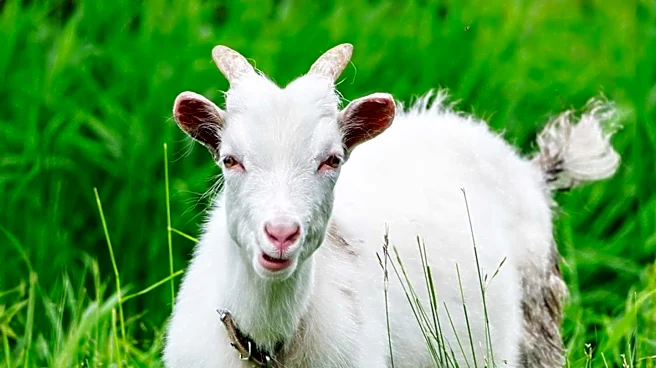
Hundreds of people in North Carolina are being evaluated for potential rabies exposure after interacting with goats from a mobile petting zoo. Three baby goats from Farm Adventures in Harmony, North Carolina, tested positive for rabies, and a fourth was
presumed to have the disease; all four were euthanized. State health officials reported that between July 28 and August 27, the farm took these goats on a statewide tour to 10 different locations. As a result, nearly 300 individuals have been evaluated for possible exposure, with over 200 advised to receive rabies vaccinations. The goats are believed to have been exposed to rabies by a skunk that entered their pen in late July. Farm Adventures stated on social media that the baby goats were too young to be vaccinated against rabies and that they were unaware any of the goats had been bitten.
Why It's Important?
This incident highlights significant public health concerns regarding animal interactions, particularly with unvaccinated animals at public events. Rabies, while rare in humans in the U.S., is almost always fatal if not treated before symptoms appear. The need for hundreds of people to undergo post-exposure prophylaxis underscores the critical importance of stringent animal health protocols and public awareness regarding zoonotic diseases. For businesses operating mobile petting zoos, this event could lead to increased scrutiny and potentially stricter regulations concerning animal vaccination, health monitoring, and public interaction guidelines. The financial and emotional burden on those advised to get vaccinations, as well as the operational impact on Farm Adventures, demonstrates the far-reaching consequences of such an exposure event.
What's Next?
Health officials will continue to monitor individuals who may have been exposed and ensure they receive necessary vaccinations. Further investigations may be conducted into the practices of Farm Adventures and other similar mobile petting zoos to assess compliance with animal health and public safety regulations. This incident could prompt state and local health departments to review and potentially update guidelines for animal exhibitions and public interactions, especially concerning unvaccinated young animals. There may also be increased public discussion and awareness campaigns about the risks associated with wildlife contact and the importance of animal vaccinations to prevent the spread of diseases like rabies.
Beyond the Headlines
The incident raises ethical questions about the responsibility of animal exhibitors to ensure the safety of the public, particularly when dealing with animals that cannot be vaccinated due to age or other factors. The decision to bring unvaccinated animals to public events, even with good intentions, carries inherent risks that can have severe consequences. This situation also underscores the broader challenge of managing human-wildlife interfaces, as the initial exposure is believed to have come from a skunk. It highlights the continuous need for vigilance in preventing zoonotic disease transmission and the importance of public education on how to safely interact with animals, both domestic and wild, to mitigate health risks.