





What's Happening?
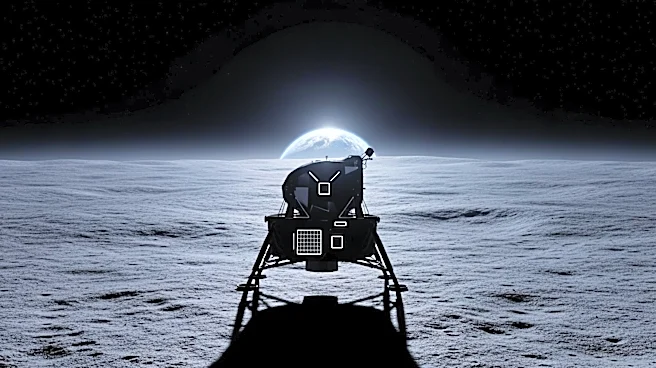
The Artemis II mission has achieved a significant milestone by capturing unprecedented views of the Moon and Earth, surpassing the distance records set by the Apollo 13 mission. The crew aboard Artemis II has provided live views from space, showcasing
stunning imagery that has never been seen before. This mission marks a pivotal moment in space exploration, as it not only breaks historical records but also offers new perspectives on our planet and its satellite. The Artemis II mission is part of NASA's broader Artemis program, which aims to return humans to the Moon and eventually pave the way for human exploration of Mars.
Why It's Important?
The achievements of the Artemis II mission are crucial for several reasons. Firstly, surpassing the Apollo 13 distance record demonstrates the advancements in space travel technology and capabilities since the Apollo era. This progress is essential for future deep space missions, including those targeting Mars. Additionally, the live views provided by the Artemis II crew offer valuable data and insights into the Moon and Earth, which can enhance scientific understanding and inspire public interest in space exploration. The mission's success also reinforces the United States' leadership in space exploration, potentially influencing international collaborations and investments in space technology.
What's Next?
Following the success of Artemis II, NASA is expected to continue its efforts to advance human space exploration. The next steps likely involve further testing and development of technologies necessary for sustained lunar presence and eventual Mars missions. The Artemis program's future missions will focus on landing astronauts on the Moon, establishing a lunar base, and conducting scientific research. These efforts will require collaboration with international partners and private companies, as well as continued support from the U.S. government and the public. The data and experiences gained from Artemis II will inform these future missions and help address the challenges of long-duration space travel.