





What's Happening?
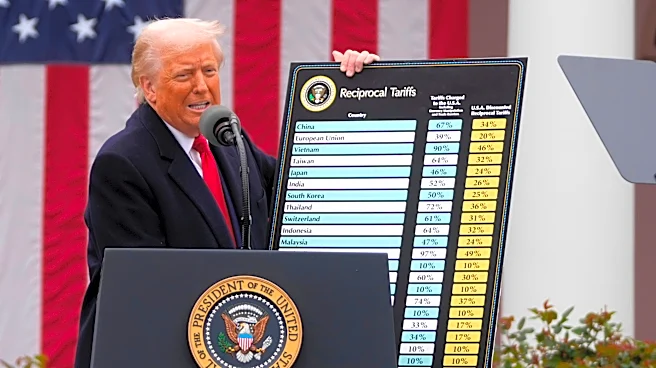
Scienceindustries, the association representing Switzerland's chemical, pharma, and life sciences sectors, is advocating for a bilateral economic agreement with the United States. This call comes in response to the U.S. imposing an additional 12.5% tariff
under Section 301 measures. The association expressed disappointment that the U.S. Trade Representative did not adequately consider Switzerland's legal framework or its measures against forced labor. Despite this, Scienceindustries views the outcomes of a recent Joint Statement as a positive step towards continued dialogue. The association emphasizes that tariffs increase product costs, disrupt supply chains, and ultimately impact businesses, consumers, and patients. It highlights the importance of a bilateral agreement, noting that the U.S. is Switzerland's second-largest export market after the EU. While pharmaceuticals and related raw materials are exempt from these tariffs, the increased costs will affect transatlantic supply chains, impacting U.S. companies, healthcare providers, and patients.
Why It's Important?
The imposition of new tariffs by the U.S. has significant implications for international trade, particularly affecting the chemical, pharma, and life sciences industries. These sectors are crucial for both the Swiss and U.S. economies, and disruptions in their supply chains could lead to increased costs for businesses and consumers. The call for a bilateral trade agreement underscores the need for stable and predictable trade relations, which are vital for economic growth and innovation. The tariffs could also strain diplomatic relations, making it imperative for both countries to engage in dialogue to resolve trade disputes. The situation highlights the broader challenges of navigating international trade policies in a globalized economy, where actions by one country can have far-reaching effects on others.
What's Next?
Moving forward, it is likely that both Switzerland and the U.S. will engage in negotiations to address the tariff issue and explore the possibility of a bilateral trade agreement. Such an agreement could help mitigate the negative impacts of tariffs and strengthen economic ties between the two countries. Stakeholders in the chemical, pharma, and life sciences industries will be closely monitoring these developments, as the outcome could significantly affect their operations and profitability. Additionally, there may be increased advocacy from industry groups and businesses for policies that promote free trade and reduce barriers to international commerce.