



What's Happening?
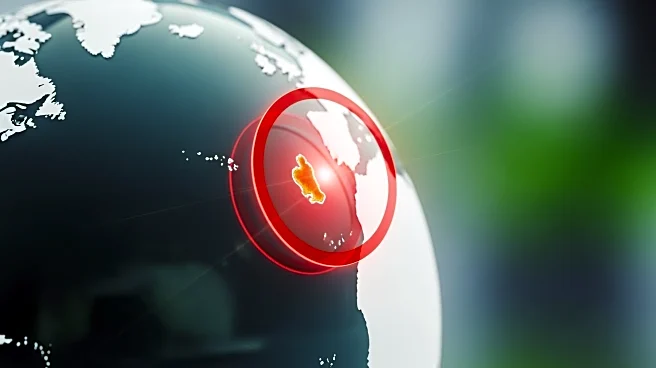
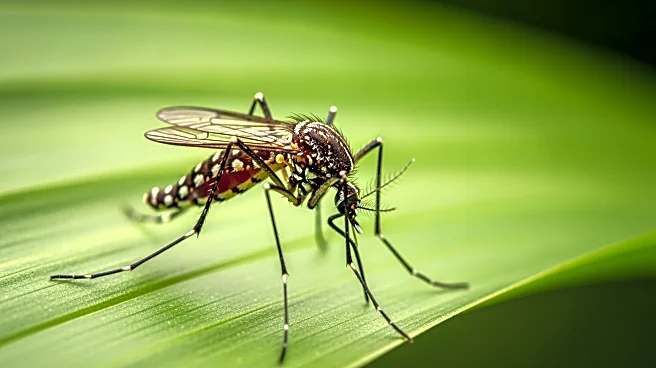
The U.S. Centers for Disease Control and Prevention (CDC) has issued a Level 2 travel health notice for Americans traveling to the Seychelles due to an outbreak of the chikungunya virus. This mosquito-borne viral disease is characterized by symptoms such
as fever, joint pain, headache, muscle pain, joint swelling, and rashes. The symptoms typically appear three to seven days after being bitten by an infected mosquito. The CDC warns that individuals at higher risk for severe disease include newborns, those over 65, and people with pre-existing conditions like diabetes or heart disease. Although death from chikungunya is rare, the virus can cause severe joint pain lasting months to years. The CDC advises travelers to take precautions such as using insect repellent, wearing long-sleeved clothing, and staying in accommodations with air conditioning or screened windows and doors.
Why It's Important?
The CDC's travel warning highlights the potential for the chikungunya virus to spread beyond the Seychelles, posing a risk to travelers and potentially leading to outbreaks in new regions. The virus has been reported in various parts of the world, including Africa, the Americas, Asia, Europe, and the Caribbean. The warning underscores the importance of preventive measures for travelers to avoid mosquito bites, which are the primary mode of transmission. The outbreak also raises concerns about the virus spreading to unaffected areas through infected travelers, which could have significant public health implications. The CDC's advisory serves as a reminder of the global nature of infectious diseases and the need for vigilance in monitoring and controlling their spread.
What's Next?
Travelers to the Seychelles and other affected regions are advised to remain vigilant and adhere to preventive measures to protect themselves from mosquito bites. The CDC may update its travel advisories as the situation evolves, and travelers should stay informed about any changes. Health authorities in the Seychelles and other affected areas are likely to continue monitoring the outbreak and implementing measures to control the spread of the virus. In the U.S., public health officials may increase surveillance for chikungunya cases among travelers returning from affected regions to prevent local transmission. The situation underscores the need for ongoing research and development of vaccines and treatments for mosquito-borne diseases.