



What's Happening?
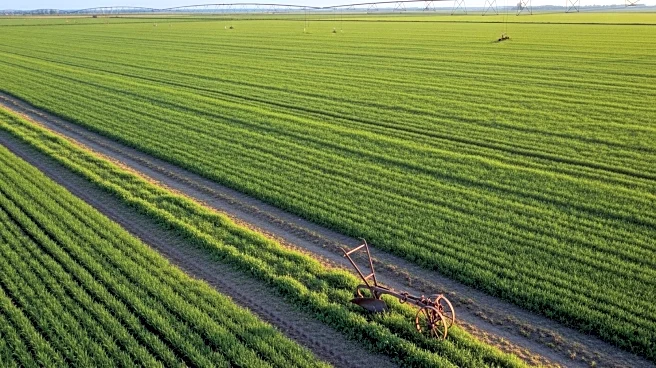
The Huddleston family, owners of a 1,200-acre farm in Mason County, Kentucky, have declined a $26 million offer from a corporation seeking to build an AI-linked data centre. The proposed sale involved approximately 900 acres of the family's generational
farmland, which has been used for cattle production for decades. Despite the financial incentive, the family chose to preserve the land's cultural and agricultural significance, intending to pass it on to future generations. The decision highlights the tension between expanding digital infrastructure and maintaining agricultural land in the U.S.
Why It's Important?
This decision underscores the broader debate over land use in the U.S., where the demand for data centres is rising due to advancements in AI and cloud computing. While such projects promise economic benefits, including job creation and infrastructure development, they also pose risks to agricultural sustainability and resource management. The Huddleston family's choice reflects a commitment to preserving agricultural heritage and raises questions about the long-term implications of converting farmland for industrial purposes.
Beyond the Headlines
The situation illustrates the complex balance between technological progress and environmental stewardship. As digital infrastructure needs grow, similar conflicts may arise, prompting discussions on sustainable development and land value. The Huddleston family's decision may inspire other landowners to consider the cultural and ecological impacts of land sales, potentially influencing future policy and community planning.