




What's Happening?
President Trump has engaged in discussions with his national security aides regarding a new proposal from Iran aimed at resolving ongoing conflicts in the Middle East. The proposal includes opening the Strait of Hormuz and addressing Iran's nuclear program
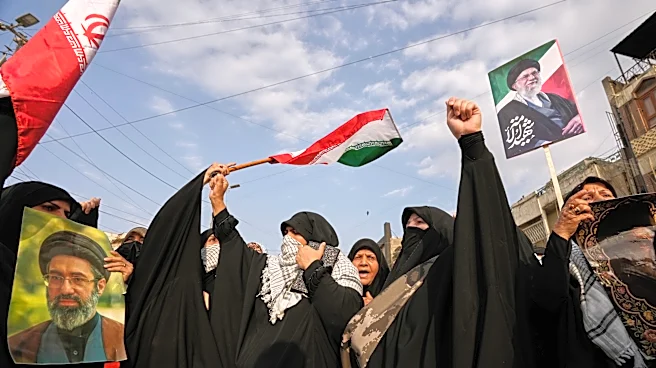
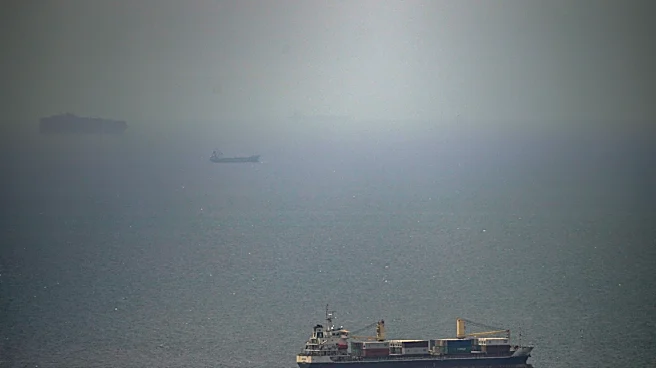
at a later stage. White House Press Secretary Karoline Leavitt stated that while the proposal was discussed, President Trump's demands remain unchanged, focusing on keeping the Strait of Hormuz open and requiring Iran to relinquish its enriched uranium. The discussions come amid heightened tensions following military actions by Israel and the United States against Iran, which have led to significant disruptions in the region, including the closure of the Strait of Hormuz by Iran.
Why It's Important?
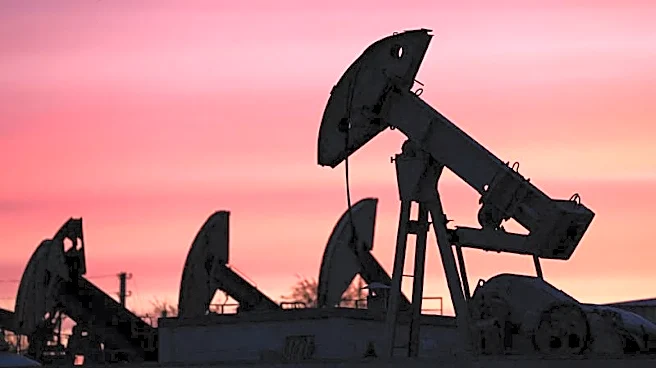
The discussions around the Iranian proposal are critical as they address the strategic Strait of Hormuz, a vital oil transit route. The closure of this waterway has significant implications for global oil supply and prices, affecting economies worldwide. President Trump's insistence on keeping the strait open underscores its importance to international trade and energy security. Additionally, the focus on Iran's nuclear program highlights ongoing concerns about nuclear proliferation in the region. The outcome of these discussions could influence U.S. foreign policy and its relations with Middle Eastern countries, potentially impacting global geopolitical stability.
What's Next?
The next steps involve potential diplomatic engagements and negotiations to address the issues surrounding the Strait of Hormuz and Iran's nuclear activities. President Trump is expected to make a public statement outlining the U.S. position and any forthcoming actions. The international community, including key stakeholders like the United Nations and European allies, may also play a role in mediating and facilitating dialogue to prevent further escalation. The situation remains fluid, with potential for both diplomatic resolutions and continued military confrontations.
Beyond the Headlines
The situation in the Middle East, particularly involving Iran, has broader implications for international law and maritime rights. The closure of the Strait of Hormuz raises questions about the legality of such actions under international maritime law. Additionally, the geopolitical dynamics in the region could lead to shifts in alliances and power structures, influencing global political and economic landscapes. The role of major powers like Russia and China in supporting or opposing U.S. actions could further complicate the situation, affecting international relations and trade.