


What's Happening?
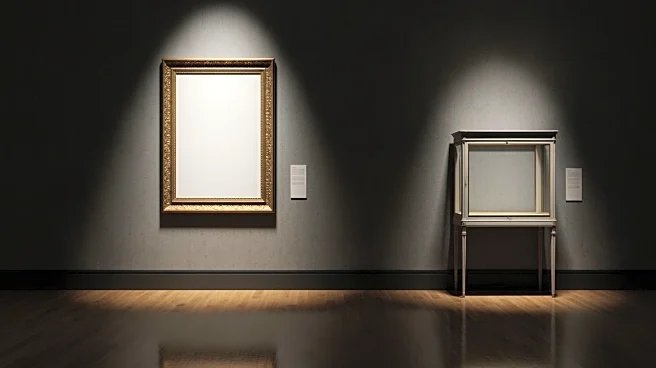
The 1911 theft of Leonardo da Vinci's Mona Lisa from the Louvre Museum in Paris is a historical event that significantly contributed to the painting's fame. The heist was orchestrated by Vicenzo Peruggia, an Italian handyman and museum employee, who exploited
the museum's lax security to steal the painting. The theft went unnoticed for 28 hours, highlighting the Mona Lisa's then-low profile. The incident sparked international media coverage, elevating the painting's status and leading to its eventual recovery. The Mona Lisa's notoriety grew as a result, cementing its place as one of the world's most famous artworks.
Why It's Important?
The Mona Lisa's theft is a pivotal moment in art history, illustrating how media coverage can transform the public perception of art. The incident underscores the importance of security in museums and the role of media in shaping cultural narratives. The heist also highlights issues of cultural heritage and ownership, as it fueled debates about the protection and preservation of national treasures. The Mona Lisa's rise to fame following the theft demonstrates the power of storytelling in the art world, influencing how artworks are valued and perceived globally.
What's Next?
The legacy of the Mona Lisa's theft continues to influence museum security practices and the art market. Museums worldwide have since implemented stricter security measures to prevent similar incidents. The story of the Mona Lisa's theft remains a cautionary tale for cultural institutions, emphasizing the need for vigilance in protecting valuable artworks. The painting's enduring fame ensures its continued prominence in art history discussions and exhibitions, attracting millions of visitors to the Louvre each year.