







What's Happening?
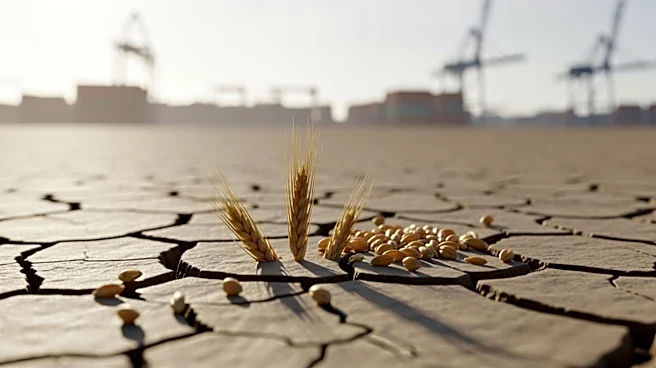
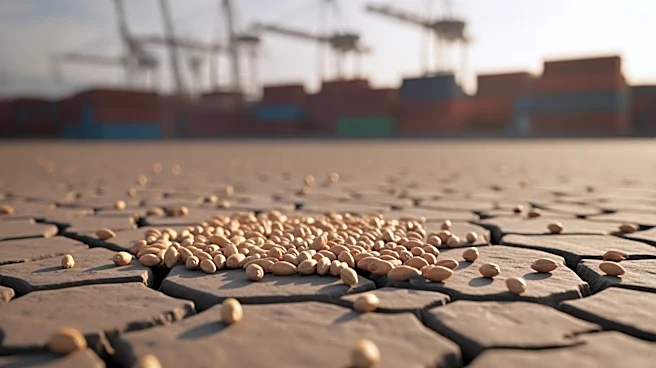
The ongoing conflict in the Middle East is exacerbating challenges in global food supply chains, according to the Food and Agriculture Organization (FAO). During the 38th Session of the FAO Regional Conference for the Near East, Director-General QU Dongyu
highlighted the critical impact of the conflict on food availability and affordability. Rising energy prices and disruptions in fertilizer markets are increasing production costs and reducing agricultural productivity. The FAO is closely monitoring these developments to provide technical support and policy guidance to affected nations. The conference, chaired by the UAE, emphasized the need for resilient and sustainable agrifood systems to mitigate the crisis's impact.
Why It's Important?
The Middle East conflict's impact on global food supply chains poses significant risks to food security worldwide. As the region is a major hub for agricultural trade, disruptions can lead to increased food prices and shortages, affecting countries heavily reliant on imports. The situation underscores the interconnectedness of global supply chains and the need for coordinated international responses to ensure food security. The FAO's call for resilient agrifood systems highlights the importance of innovation and strategic partnerships in addressing these challenges and promoting long-term stability.
What's Next?
The FAO conference outlined priorities for strengthening food supply chains, boosting local production, and building strategic partnerships. These initiatives aim to shift from reactive crisis management to proactive solutions. The focus on sustainable agricultural practices and climate-smart systems is expected to drive future policy developments. As the conflict continues, international cooperation and investment in agrifood infrastructure will be crucial in mitigating the crisis's impact and ensuring global food security.