







What's Happening?
The United States and Iran are engaged in complex negotiations to end ongoing hostilities, with President Trump expressing optimism about reaching a deal. Despite recent exchanges of fire in the Strait of Hormuz, Trump maintains that a ceasefire is still
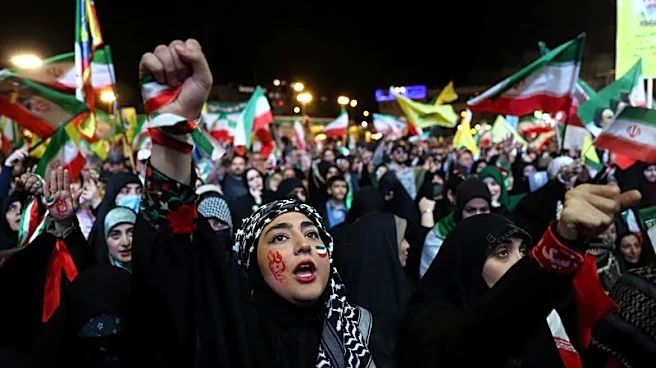
in effect. The US military conducted defensive strikes against Iranian forces following unprovoked attacks on US destroyers. Meanwhile, Iran accuses the US of violating the ceasefire and targeting civilian areas. The situation has led to increased oil prices and market volatility, reflecting the global economic impact of the conflict. Iran is reportedly reviewing a US peace proposal, though Iranian officials have downplayed its significance.
Why It's Important?
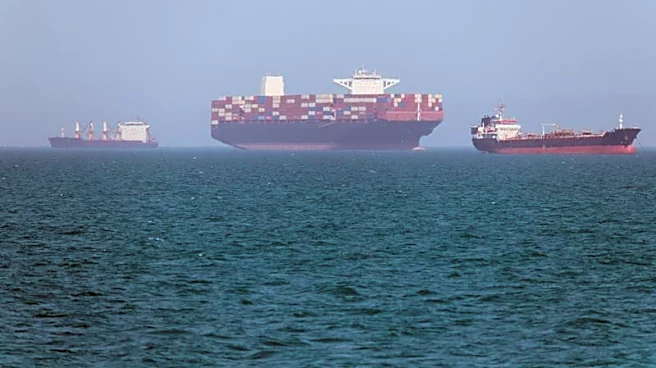
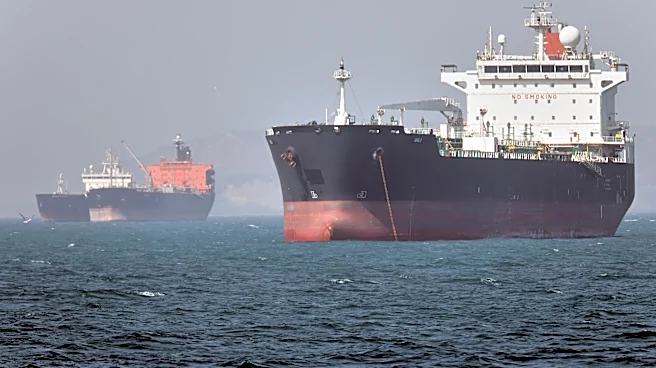
The conflict in the Strait of Hormuz is critical due to its strategic importance for global oil shipments. Any disruption in this region can significantly impact global oil prices and economic stability. The ongoing tensions between the US and Iran also have broader implications for international relations and regional security in the Middle East. A potential peace deal could lead to a de-escalation of military activities and a reopening of vital shipping lanes, benefiting global trade and economic recovery. However, the failure to reach an agreement could exacerbate tensions and lead to further military confrontations.
What's Next?
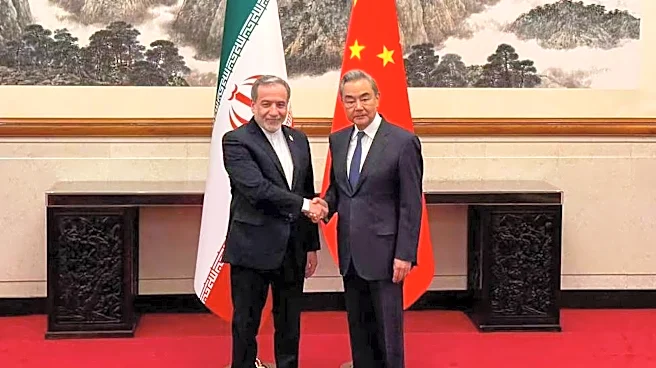
The outcome of the US-Iran negotiations will be pivotal in determining the future of the conflict. If a peace deal is reached, it could lead to a reduction in military activities and a stabilization of oil markets. However, continued hostilities may prompt further international intervention and sanctions. The US and its allies may seek to increase diplomatic pressure on Iran to comply with international norms. Additionally, the situation could influence US foreign policy and its approach to Middle Eastern affairs, potentially affecting its alliances and strategic interests in the region.