







What's Happening?
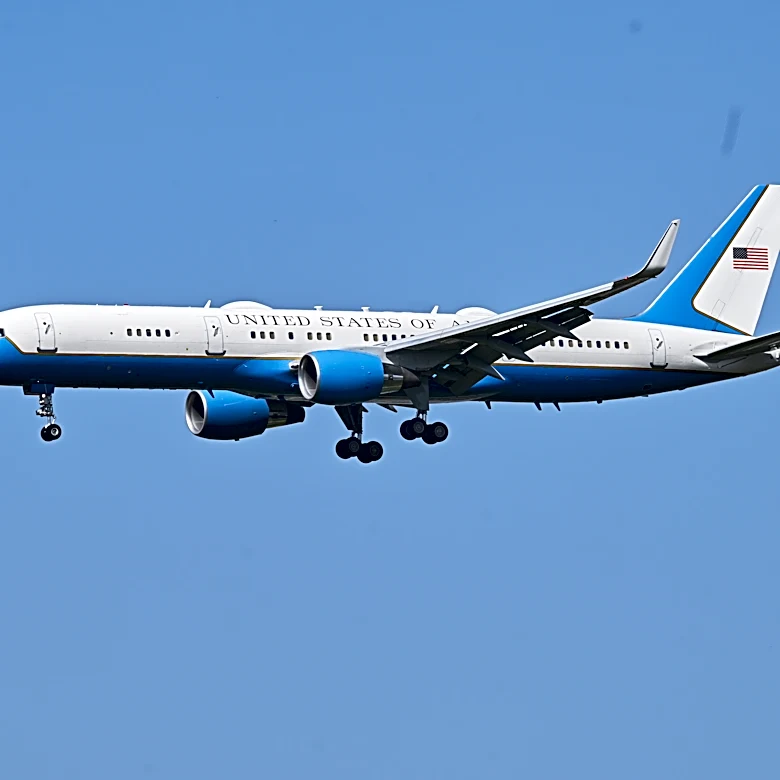
Cuba has confirmed a recent meeting with U.S. officials on the island, marking a significant diplomatic engagement amid ongoing tensions over the U.S. energy blockade. This meeting, the first of its kind since 2016, involved senior U.S. State Department
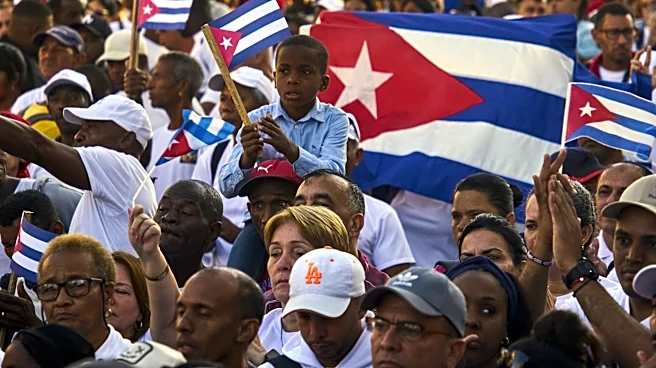
officials and Cuban representatives, including assistant secretaries of state and deputy foreign ministers. The discussions were described as respectful and professional, with no threats or deadlines issued by the U.S. delegation. A primary focus for the Cuban side was the removal of the U.S. energy embargo, which they argue is an unjustified economic punishment affecting the entire Cuban population. The Cuban government views the embargo as a form of global blackmail against sovereign states that wish to trade freely with Cuba.
Why It's Important?
The meeting between Cuba and the U.S. is significant as it represents a potential thaw in relations that have been strained by the energy blockade. The embargo has had a profound impact on Cuba's economy, limiting its access to essential energy resources and exacerbating economic challenges. For the U.S., these talks could be a step towards addressing broader geopolitical tensions in the Caribbean and Latin America. The outcome of these discussions could influence U.S. foreign policy, particularly in terms of economic sanctions and diplomatic relations with other countries in the region. The lifting of the embargo could also open new avenues for trade and economic cooperation, benefiting both nations.
What's Next?
While the meeting marks a positive step, the path forward remains uncertain. The U.S. has set conditions for lifting sanctions, including demands for Cuba to end political repression, release political prisoners, and liberalize its economy. How Cuba responds to these conditions will likely determine the future of U.S.-Cuba relations. Further diplomatic engagements and negotiations are expected as both sides navigate these complex issues. The international community will be watching closely, as changes in U.S.-Cuba relations could have broader implications for regional stability and economic development.