




What's Happening?
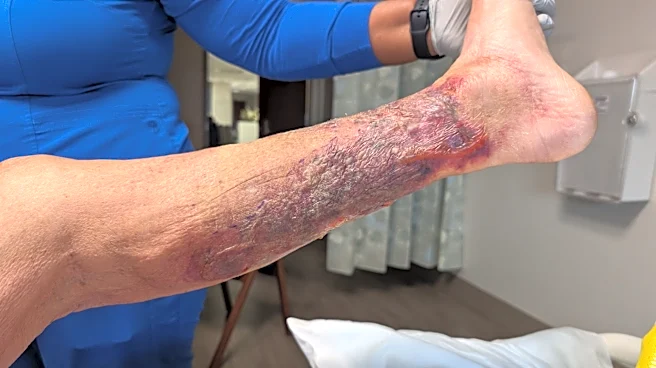
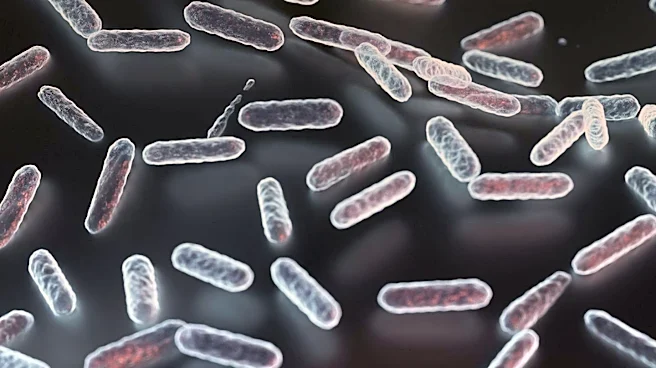
Louisiana health officials have reported five deaths due to infections from Vibrio vulnificus, a type of flesh-eating bacteria, in 2026. The state has recorded nine cases this year, with all patients having underlying health conditions and requiring hospitalization
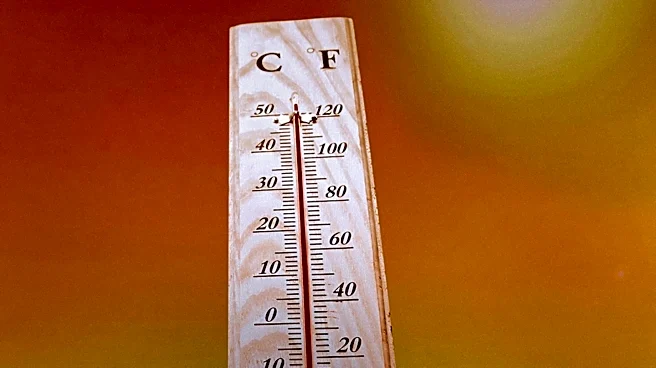
after exposure to seawater. Vibrio vulnificus, often found in warm coastal waters, can cause severe infections when open wounds are exposed to salt or brackish water. The Centers for Disease Control and Prevention (CDC) notes that infections can also occur from consuming raw or undercooked seafood. The presence of this bacterium increases with warmer water temperatures, and cases may rise following tropical storms and hurricanes.
Why It's Important?
The increase in Vibrio vulnificus cases in Louisiana highlights the growing public health concern associated with climate change and rising sea temperatures. The bacterium's prevalence in warmer waters poses significant risks to individuals with open wounds or compromised immune systems. The situation underscores the need for public awareness and preventive measures, such as avoiding exposure to coastal waters with open wounds and ensuring seafood is thoroughly cooked. The potential for severe health outcomes, including tissue damage and death, emphasizes the importance of timely medical intervention and adherence to safety guidelines.
What's Next?
As coastal waters continue to warm, health officials may need to implement more robust monitoring and public education campaigns to mitigate the risks associated with Vibrio vulnificus. This could involve increased surveillance of water quality and more frequent public advisories during peak risk periods. Additionally, healthcare providers may need to be vigilant in diagnosing and treating infections promptly to prevent severe outcomes. The situation may also prompt further research into the impacts of climate change on the spread of waterborne pathogens and the development of strategies to protect vulnerable populations.