





What's Happening?
A NASA satellite has captured the first high-resolution view of a massive tsunami triggered by a powerful earthquake near Russia's Kamchatka Peninsula. The Surface Water Ocean Topography (SWOT) satellite recorded the event, revealing complex wave patterns
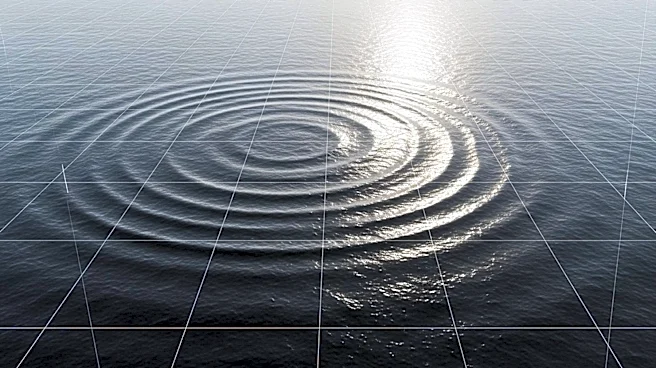
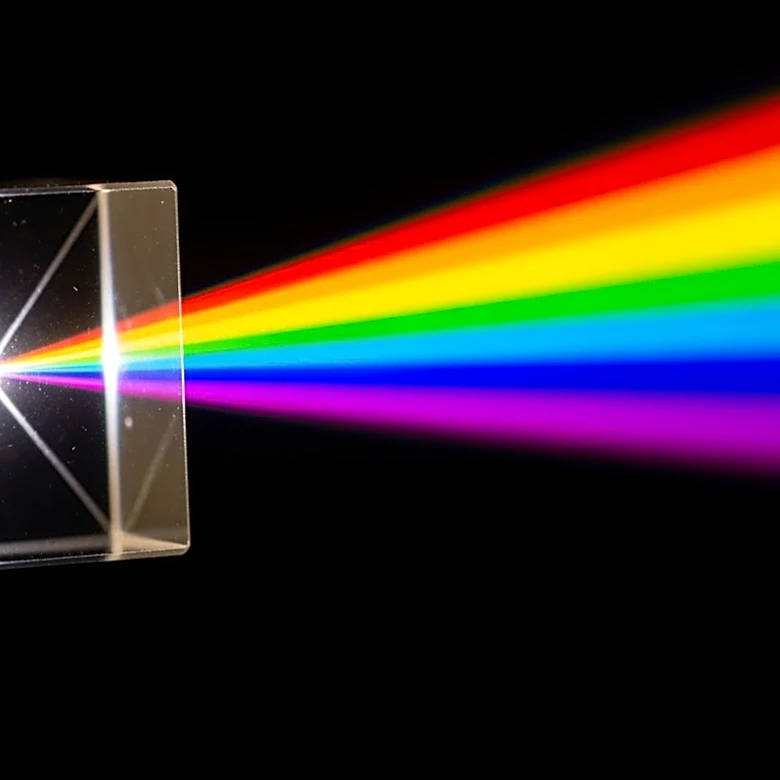
that challenge previous assumptions about tsunami behavior. The earthquake, which occurred in July 2025, was a magnitude 8.8 event in the Kuril-Kamchatka subduction zone, ranking as the sixth-largest earthquake recorded since 1900. The satellite's data, combined with readings from DART buoys, provided new insights into the tsunami's energy dispersion across the Pacific Ocean. This observation has prompted scientists to reconsider how tsunamis travel, as the data showed evidence of wave dispersion, contradicting the traditional view of tsunamis as non-dispersive waves.
Why It's Important?
The findings from the SWOT satellite have significant implications for tsunami forecasting and modeling. By revealing the complex nature of tsunami wave patterns, the data suggests that current models may be missing critical elements that affect how tsunamis impact coastlines. This could lead to improved real-time forecasting and better preparedness for future tsunami events. The research highlights the importance of integrating diverse data sources, such as satellite observations and buoy readings, to enhance the accuracy of tsunami predictions. This advancement in understanding tsunami dynamics could ultimately help mitigate the risks associated with these natural disasters, potentially saving lives and reducing economic losses in vulnerable coastal regions.
What's Next?
The new insights gained from the SWOT satellite data may lead to revisions in tsunami modeling and forecasting techniques. Researchers are likely to continue analyzing the data to refine their understanding of tsunami behavior and improve predictive models. There may also be efforts to incorporate satellite-based observations into real-time tsunami warning systems, enhancing their effectiveness. As scientists further explore the implications of these findings, there could be increased collaboration between international agencies to develop more comprehensive tsunami monitoring and response strategies.