







What's Happening?
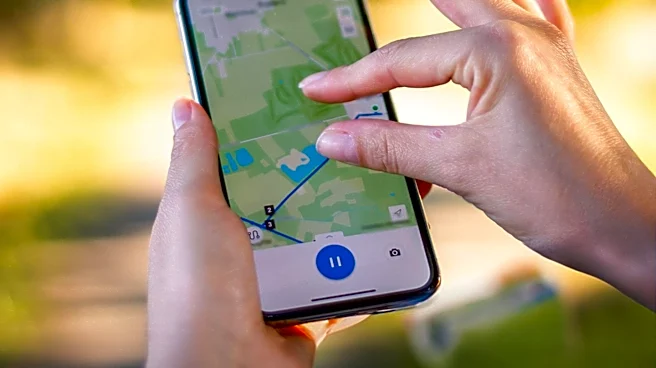
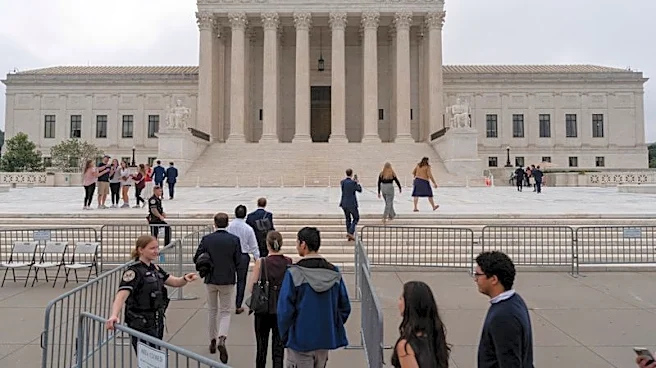
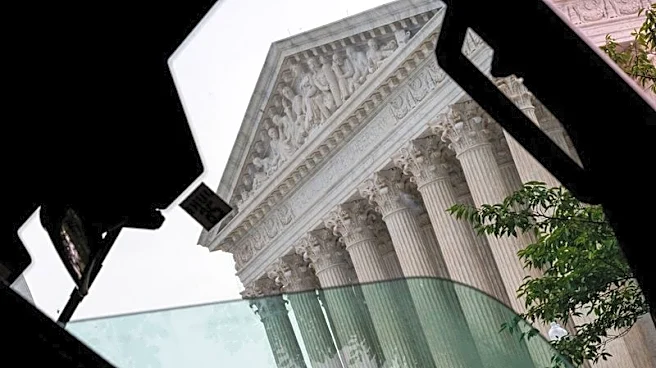
The Supreme Court has ruled that law enforcement must obtain a valid warrant before conducting geofence searches to access cellphone location data, reaffirming the requirement of probable cause. This decision, stemming from the case Chatrie v. United
States, emphasizes that obtaining an individual's cell location data from third-party tech companies constitutes a search under the Fourth Amendment. The ruling highlights the need for warrants to describe with particularity the person or thing to be searched, which geofence warrants often fail to do. The case has been sent back to the 4th U.S. Circuit Court of Appeals to determine if the specific geofence warrant in question met these constitutional requirements.
Why It's Important?
This ruling is significant as it strengthens privacy protections in the digital age, particularly concerning the use of advanced technologies by law enforcement. The decision impacts how police can use geofence warrants, which have been increasingly utilized to gather data from all devices in a specific area to identify potential suspects. The ruling underscores the importance of the Fourth Amendment in protecting citizens from unreasonable searches and seizures, ensuring that law enforcement practices do not infringe on privacy rights. This decision could lead to changes in how tech companies handle data requests from law enforcement, potentially affecting millions of cellphone users.
What's Next?
The 4th U.S. Circuit Court of Appeals will now review whether the geofence warrant in the Chatrie case complied with the Fourth Amendment's requirements. This review could set a precedent for future cases involving digital privacy and law enforcement's use of technology. Additionally, tech companies like Google may need to reassess their policies on data sharing with law enforcement to ensure compliance with this ruling. The decision may also prompt legislative action to further clarify the legal standards for digital searches.