









What's Happening?
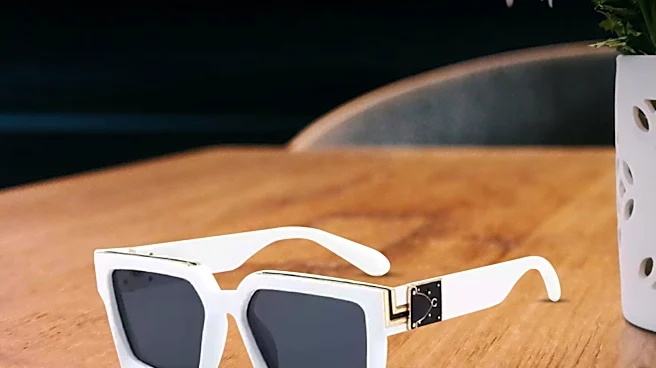
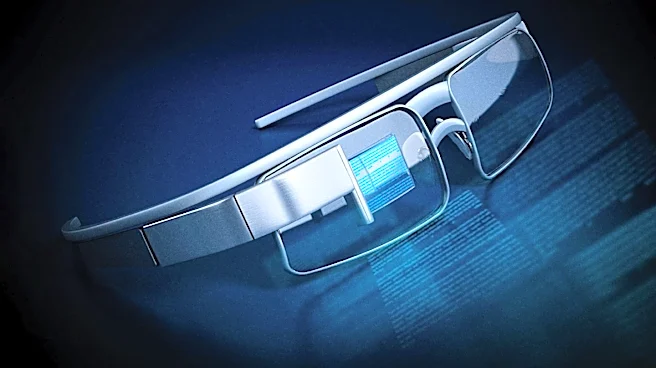
Smart glasses, a burgeoning technology, are increasingly integrating cameras into their designs, raising significant privacy concerns. Companies like Meta, Snap, and Google are at the forefront of this trend, with Meta's Ray-Ban Stories and upcoming Snap Specs
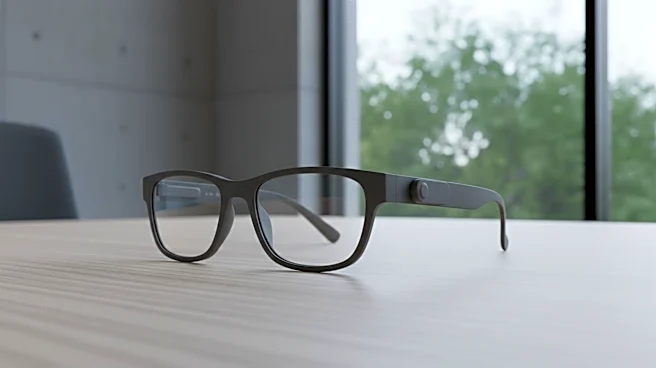
leading the market. These devices, which resemble regular eyewear, can discreetly record video and take photos, often without the knowledge of those being filmed. The presence of a small LED indicator light is the primary way to identify when recording is taking place, but this can be easily obscured or disabled. The technology is marketed for its utility in capturing hands-free footage, beneficial for creators and visually impaired individuals. However, the potential for misuse is high, as evidenced by incidents where individuals have been recorded without consent, leading to unauthorized distribution of footage online.
Why It's Important?
The proliferation of smart glasses with camera capabilities poses a significant challenge to privacy norms and regulations. As these devices become more common, the potential for misuse increases, particularly in public spaces where individuals may be recorded without their consent. This raises ethical and legal questions about surveillance and the right to privacy. The technology's ability to discreetly capture footage could lead to its use in inappropriate or harmful ways, such as harassment or unauthorized surveillance. The lack of comprehensive regulations governing the use of smart glasses exacerbates these concerns, highlighting the need for updated legal frameworks to protect individuals' privacy rights. The societal impact is profound, as it forces a reevaluation of privacy expectations in public and private spaces.
What's Next?
As smart glasses continue to gain popularity, there is likely to be increased scrutiny from regulators and privacy advocates. Companies may face pressure to implement more robust privacy features, such as more visible recording indicators or restrictions on where and how the devices can be used. Public awareness campaigns could help educate consumers about the potential privacy risks associated with smart glasses and how to identify them. Additionally, social norms around the use of such technology will likely evolve, potentially leading to informal rules or etiquette regarding their use in public settings. The development of facial recognition capabilities in these devices could further complicate the privacy landscape, necessitating proactive measures to address potential abuses.
Beyond the Headlines
The integration of cameras into everyday eyewear represents a broader trend of increasing surveillance capabilities in consumer technology. This shift has cultural implications, as it challenges traditional notions of privacy and consent. The normalization of recording devices in public spaces could lead to a society where constant surveillance is accepted, altering interpersonal interactions and social dynamics. The ethical considerations are significant, as the technology blurs the line between personal freedom and public safety. Long-term, the widespread adoption of smart glasses could influence fashion trends, as designers incorporate technology into their creations, merging functionality with style.