









What's Happening?
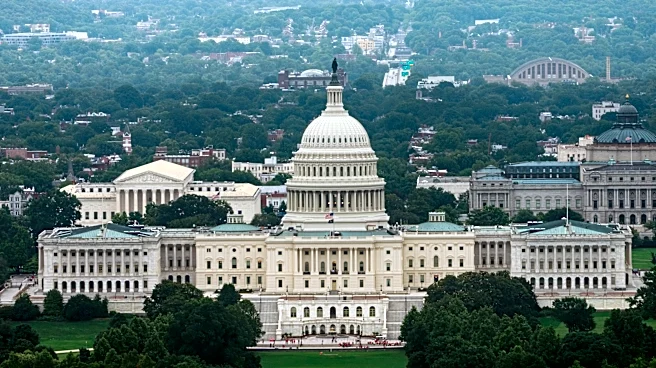
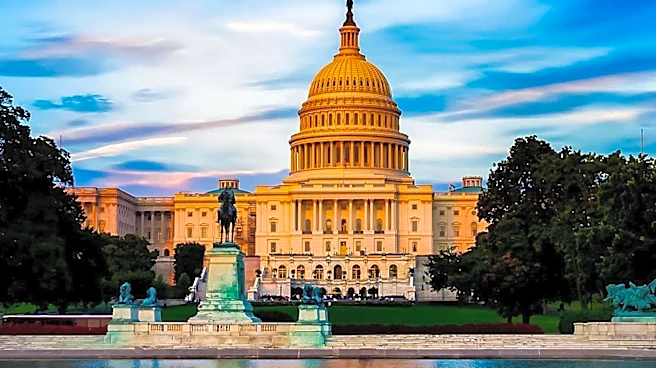
The U.S. House of Representatives recently voted on an amendment proposed by Republican Congressman Thomas Massie to halt $3.3 billion in planned military aid to Israel. The amendment was defeated with a 104-314 vote, but notably, 103 House Democrats
supported it. This vote reflects a significant shift in sentiment within the Democratic Party towards Israel and its Prime Minister, Benjamin Netanyahu, especially following accusations of genocide in Gaza. The amendment's support among Democrats highlights growing discontent with the Netanyahu government and a call for reevaluating U.S. foreign policy towards Israel. Key Democratic figures, including House Democratic Whip Katherine Clark, expressed that the current status quo is untenable, emphasizing the need for U.S. aid to align with American laws and values.
Why It's Important?
The vote underscores a pivotal moment in U.S. politics, where a substantial faction within the Democratic Party is challenging the traditional bipartisan support for Israel. This shift could influence future U.S. foreign policy, particularly regarding military aid and diplomatic relations with Israel. The debate within the Democratic Party suggests a growing divide over how to address human rights concerns and foreign policy priorities. The outcome of this vote may impact upcoming elections, as candidates' stances on Israel could become a decisive factor for voters, especially in Democratic primaries. The evolving consensus within the party indicates a potential redefinition of U.S.-Israel relations, with broader implications for Middle Eastern geopolitics.
What's Next?
As the Democratic Party grapples with internal divisions over U.S. policy towards Israel, future legislative sessions may see more proposals aimed at altering military aid agreements. The upcoming midterm elections could further highlight these divisions, as candidates may face pressure to clarify their positions on Israel. Additionally, the influence of lobbying groups like the American Israel Public Affairs Committee (AIPAC) may be tested as new political dynamics emerge. The ongoing debate is likely to continue shaping the party's platform and could lead to more comprehensive discussions on foreign aid and human rights considerations in U.S. foreign policy.