






What's Happening?
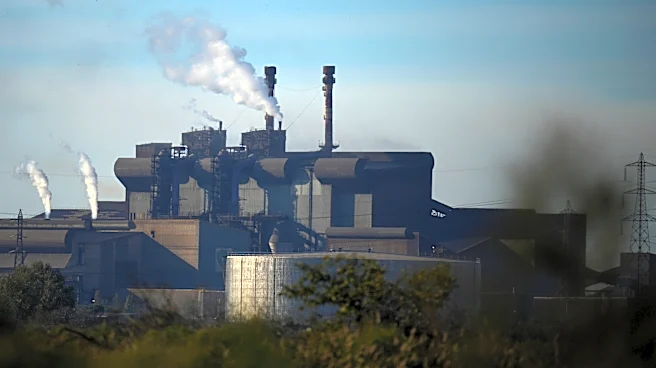
According to a recent survey by SMM, steel mills across China are set to conduct maintenance on 13 blast furnaces in July, primarily in the eastern region. This maintenance is projected to decrease daily hot metal output by approximately 55,700 metric
tons. Concurrently, 12 blast furnaces are expected to resume operations, which will increase daily output by around 53,200 metric tons. Overall, the maintenance activities are anticipated to result in a net reduction of 5.69 million metric tons in hot metal production for the month. This reduction is attributed to the off-season for end-use demand, widening losses among steel mills, and planned environmental protection-driven production restrictions, particularly in Tangshan.
Why It's Important?
The planned maintenance and resulting reduction in hot metal production are significant for several reasons. Firstly, it reflects the ongoing challenges faced by the steel industry, including environmental regulations and economic pressures. The reduction in production could impact global steel supply, potentially affecting prices and availability. For U.S. industries reliant on steel imports, this could mean increased costs and supply chain adjustments. Additionally, the environmental protection measures highlight the growing emphasis on sustainable practices within the industry, which could influence global standards and policies.
What's Next?
As the maintenance progresses, stakeholders will be closely monitoring the impact on production levels and market prices. The steel industry may need to adapt to these changes by exploring alternative supply sources or adjusting production strategies. Furthermore, the environmental protection measures in Tangshan could set a precedent for other regions, potentially leading to more widespread production restrictions. Industry leaders and policymakers will likely engage in discussions to balance economic needs with environmental responsibilities.