








What's Happening?
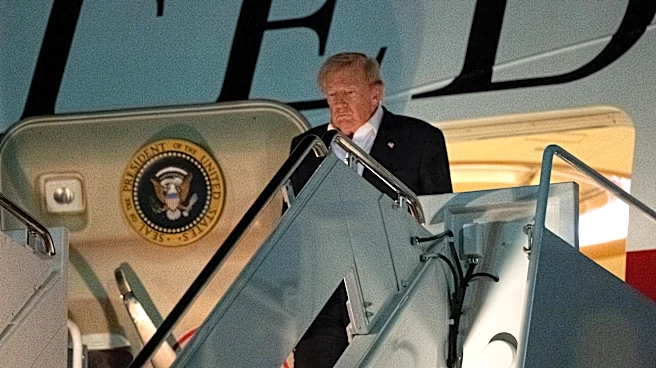
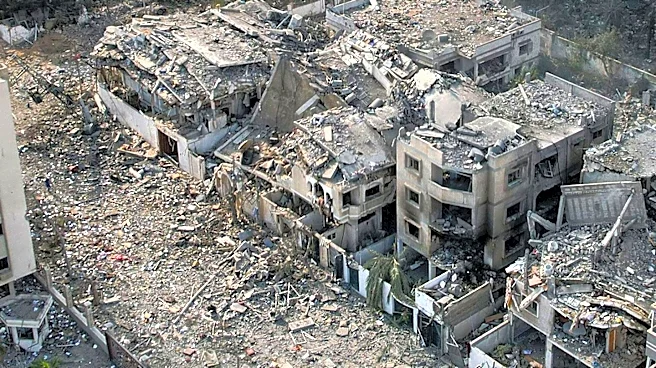
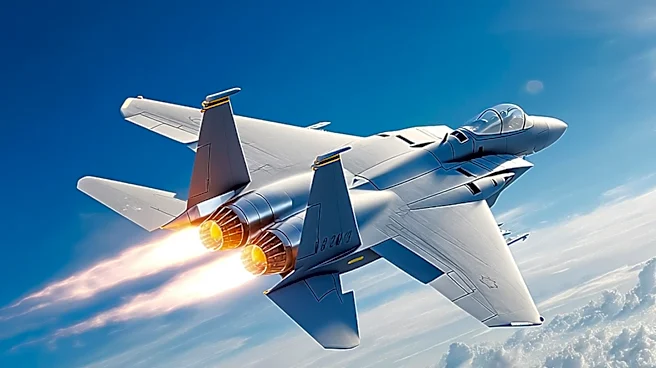
Tensions between the United States and Iran have escalated following President Trump's apparent declaration that the ceasefire with Iran is over. This development has led to an increase in U.S. military strikes in the Middle East. The ceasefire, which
was intended to reduce hostilities and promote stability in the region, now appears to be in jeopardy. The decision to end the ceasefire has raised concerns about the potential for further conflict and instability in the Middle East, a region already fraught with geopolitical tensions.
Why It's Important?
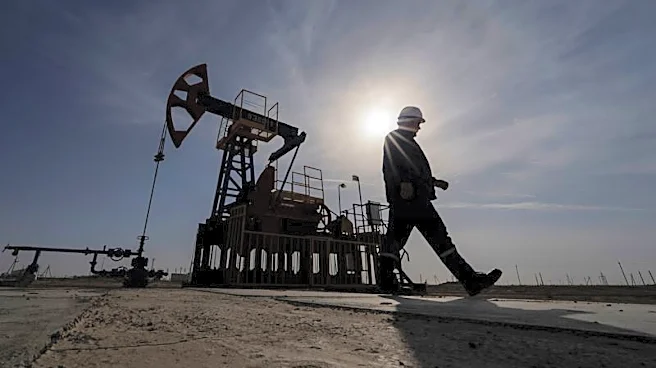
The end of the ceasefire and the subsequent increase in U.S. military actions could have significant implications for international relations and regional stability. The Middle East is a critical area for global energy supplies, and increased conflict could disrupt oil markets, affecting global economies. Additionally, the escalation may strain U.S. relations with allies and partners in the region who are concerned about the potential for broader conflict. The decision also reflects ongoing challenges in U.S.-Iran relations, which have been marked by decades of tension and conflict.
What's Next?
The international community will likely be closely monitoring the situation for any further developments. Diplomatic efforts may be initiated to de-escalate tensions and prevent a full-scale conflict. Key stakeholders, including the United Nations and regional powers, may seek to mediate and encourage dialogue between the U.S. and Iran. The U.S. government may also face domestic scrutiny over the decision to end the ceasefire and the potential consequences for American foreign policy and military engagement in the Middle East.