




What's Happening?
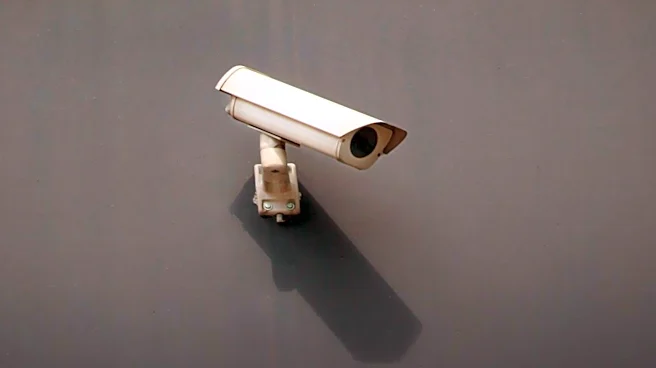
North Thurston Public Schools (NTPS) in Washington has installed a new security camera system, featuring artificial intelligence (AI) capabilities, in its middle and high schools. The cameras, provided by tech company Verkada, utilize an AI search function
to expedite the review of footage during crises. According to NTPS spokesperson Amy Blondin, this AI feature allows school leaders to quickly locate specific video segments by searching for descriptions such as 'student in a blue shirt,' rather than manually sifting through hours of recordings. Blondin clarified that this AI search function is the only direct application of AI in the system and assured that NTPS data remains secure. The upgrade also provides clearer video feeds. This new system adds 2,200 camera feeds across elementary, middle, and high schools, though elementary school installations are pending. The project, costing $4.5 million, was funded by the 2024 Capital Levy for Safety, Technology, and Facilities Improvements. Security cameras are not new to the district, which previously had 1,500 devices. The footage is accessible to district personnel and law enforcement, and cameras are not placed in areas with a reasonable expectation of privacy, such as bathrooms.
Why It's Important?
The implementation of AI-powered security cameras in U.S. schools, such as those in North Thurston Public Schools, signifies a growing trend in leveraging advanced technology for campus safety. This development is important because it introduces both enhanced security capabilities and potential privacy concerns within educational environments. The AI search function can significantly reduce response times during emergencies, potentially mitigating harm by allowing quicker identification of incidents and individuals. However, the use of AI in surveillance raises questions about data privacy, the scope of monitoring, and the potential for misuse, even with assurances of data security. The funding mechanism, a capital levy, highlights a community's willingness to invest in technological solutions for school safety. This move could influence other school districts across the nation to consider similar AI-driven security upgrades, creating a broader market for such technologies and prompting discussions about the balance between security and individual privacy rights in public institutions.
What's Next?
The immediate next steps for North Thurston Public Schools involve the full operationalization of the AI-powered security system in middle and high schools, with elementary school installations to follow. The district will likely continue to monitor the effectiveness of the AI search function in improving crisis response and overall campus security. There may be ongoing discussions within the community regarding the balance between enhanced security and privacy implications, especially as families become more aware of the AI capabilities. Other school districts across the U.S. will likely observe NTPS's experience, potentially influencing their own decisions regarding security technology investments. Furthermore, the broader adoption of AI in school security could lead to increased scrutiny from privacy advocates and potentially new legislative efforts to regulate the use of AI surveillance in educational settings, similar to existing debates around data privacy in other sectors.
Beyond the Headlines
The deployment of AI-powered security cameras in schools like North Thurston Public Schools touches upon deeper societal implications beyond immediate safety concerns. Ethically, it raises questions about the 'surveillance creep' in public spaces, particularly those frequented by minors. While the stated purpose is safety, the continuous monitoring and AI-driven analysis of student movements and activities could inadvertently foster an environment of constant observation, potentially impacting student behavior and freedom of expression. Legally, the lack of explicit notification to families about the AI capabilities, as noted in the source, could lead to challenges regarding informed consent and transparency. This situation highlights a broader tension between technological advancement for security and the protection of individual liberties. The long-term shift could be a normalization of AI surveillance in everyday public life, starting with institutions like schools, which might set precedents for how such technologies are integrated into other community spaces, prompting a re-evaluation of privacy norms in the digital age.