







What's Happening?
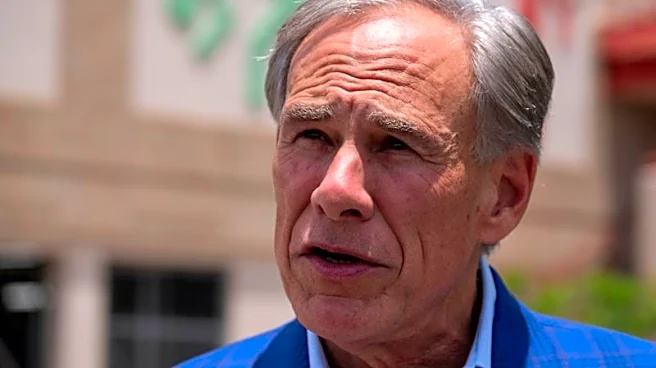
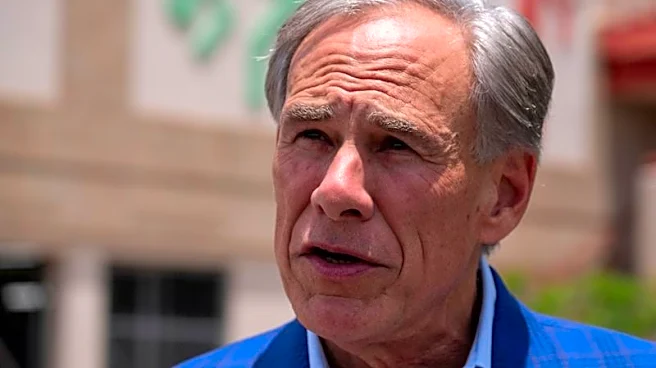
Minnesota leaders have filed a federal lawsuit against Texas Governor Greg Abbott to compel the extradition of U.S. Immigration and Customs Enforcement (ICE) officer Christian Castro. Castro is accused of injuring a Venezuelan man in Minneapolis and falsely
reporting the circumstances of a shooting that occurred earlier this year. The lawsuit, filed in the Southern District of Texas, seeks to force Abbott to sign the extradition warrant for Castro, who faces four counts of second-degree assault and one count of falsely reporting a crime. Minnesota Attorney General Keith Ellison stated that Abbott's refusal to extradite Castro is unconstitutional and violates federal and Texas law, as federal law mandates states to cooperate on extradition requests. Governor Abbott has dismissed the lawsuit, linking his refusal to a demand for Minnesota to repay the U.S. for alleged fraud committed in its state under federal programs.
Why It's Important?
This legal battle highlights a significant constitutional conflict between states regarding federal law enforcement and interstate cooperation. Governor Abbott's refusal to extradite, based on unrelated allegations of fraud against Minnesota, challenges the established legal framework for extradition, which federal law dictates is a ministerial and non-discretionary duty. This dispute could set a precedent for how states handle extradition requests, potentially leading to increased friction and legal challenges between state governments. Furthermore, the case involves an ICE agent accused of misconduct, drawing attention to issues of accountability within federal law enforcement and the implications for immigrant communities. The outcome will have implications for the balance of power between state and federal authorities and the enforcement of justice across state lines.
What's Next?
The federal lawsuit will proceed in the Southern District of Texas, where the court will likely evaluate the constitutionality of Governor Abbott's refusal to extradite. Minnesota officials are pressing for a swift resolution, as Texas cannot hold someone awaiting extradition for longer than 90 days, and they fear Castro might flee if released. The lawsuit also names Cameron County Sheriff Manuel Trevino to prevent Castro's release before extradition. The legal proceedings could lead to a court order compelling Abbott to sign the extradition warrant. This case may also prompt further political rhetoric and actions from both states, potentially escalating the dispute beyond the courtroom. The broader implications for interstate relations and the enforcement of federal law will be closely watched.
Beyond the Headlines
This case delves into the complex interplay of state sovereignty, federal mandates, and the political weaponization of legal processes. Governor Abbott's stance, linking extradition to unrelated fraud allegations, suggests a broader political strategy that transcends the immediate legal question of extradition. This approach could undermine the principle of comity between states and create a dangerous precedent where governors selectively comply with legal obligations based on political grievances. The incident also underscores the ongoing national debate surrounding immigration enforcement and the accountability of federal agents. The legal and political ramifications could extend to how states cooperate on other matters, potentially fragmenting national legal coherence and exacerbating partisan divisions. The outcome will not only determine Castro's fate but also influence the future of interstate legal cooperation in the U.S.