






What's Happening?
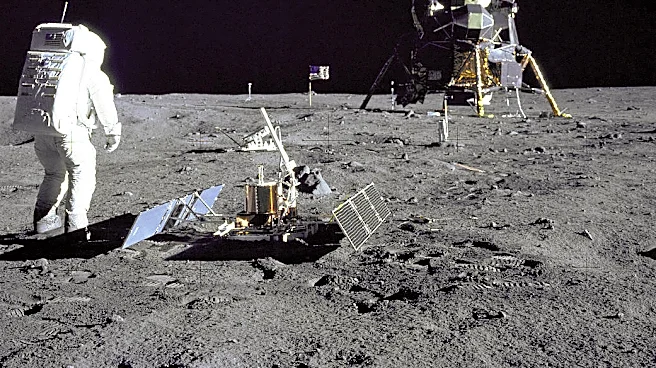
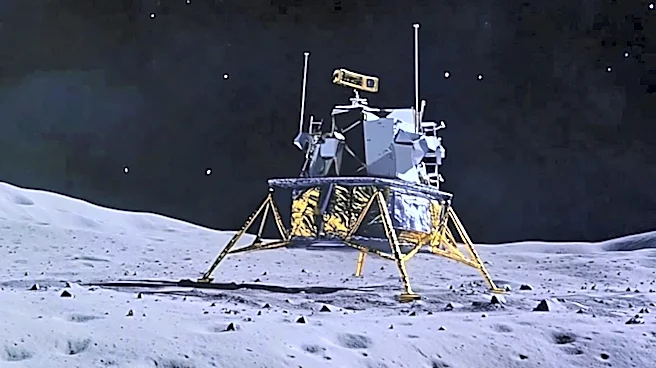
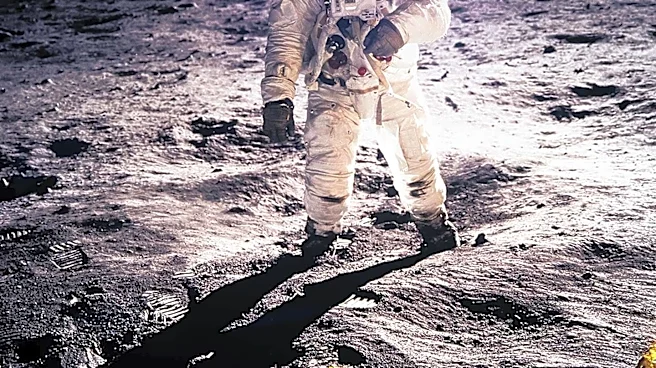
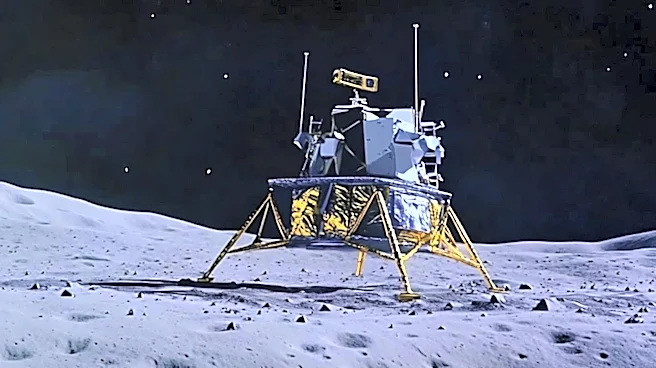
Margaret Hamilton, a programmer at MIT, played a crucial role in the success of the Apollo 11 mission by developing a priority-scheduling system for the Apollo Guidance Computer. During the lunar descent on July 20, 1969, the computer began throwing 1202
alarms due to an overload of tasks. Hamilton's software was designed to prioritize critical tasks, allowing the Lunar Module Eagle to land safely with only seconds of fuel remaining. Her work was initially met with skepticism, as software was not given the same importance as hardware in the 1960s. However, her insistence on rigorous software engineering practices proved vital, as the system managed to shed low-priority tasks and maintain essential functions during the mission.
Why It's Important?
Hamilton's contribution to the Apollo 11 mission highlights the importance of software engineering in critical systems. Her work set a precedent for how software should be developed, emphasizing error detection and recovery. This approach has influenced the design of modern flight-critical software, ensuring that systems can handle overloads without catastrophic failure. The success of the Apollo 11 mission demonstrated the necessity of integrating robust software solutions in aerospace and other industries, paving the way for advancements in technology and engineering disciplines. Hamilton's legacy continues to impact how software is perceived and developed, underscoring its critical role in mission success and safety.