




What's Happening?
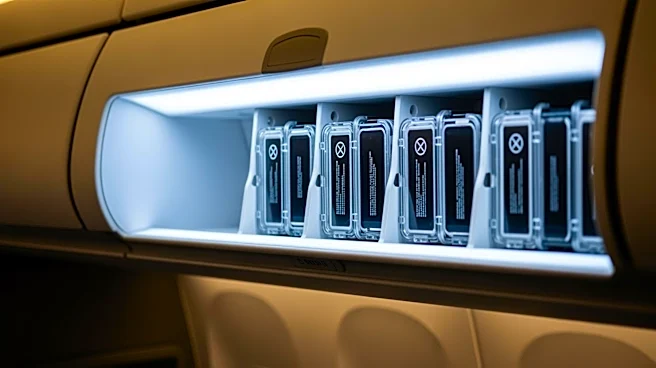
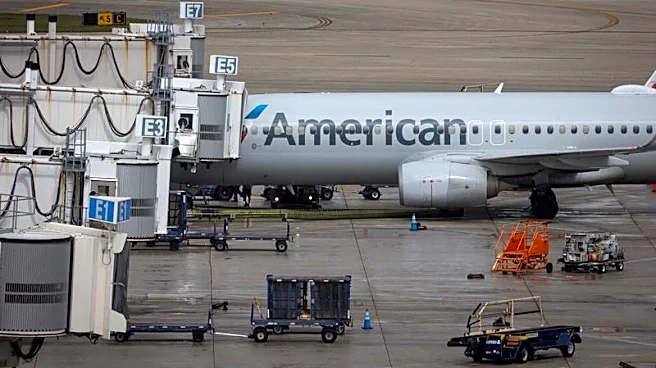
American Airlines is set to enforce a new policy starting May 1, requiring passengers to keep portable chargers visible and accessible during flights. This measure limits passengers to two portable chargers, which cannot be stored in overhead bins. The
policy aims to enhance safety by allowing crew members to quickly address potential battery fires. Similar policies have been adopted by other major airlines, including Southwest and United Airlines. The move aligns with federal regulations that prohibit batteries in checked luggage due to the difficulty of managing electrical fires in the cargo hold. Delta Air Lines also mandates that lithium batteries be accessible during flights, though it does not require them to be visible when in use.
Why It's Important?
The implementation of this policy underscores the growing concern over the safety risks associated with portable electronic devices on flights. By ensuring that portable chargers are easily accessible, airlines can mitigate the risk of in-flight fires, which can pose significant threats to passenger safety. This policy reflects a broader industry trend towards stricter regulations on electronic devices, driven by past incidents of battery fires. The move is likely to influence passenger behavior, encouraging them to be more mindful of how they store and use electronic devices during flights. It also highlights the ongoing efforts by airlines to align with international safety standards and enhance overall flight safety.
What's Next?
As the policy takes effect, passengers may need to adjust their travel habits, ensuring compliance with the new rules. Airlines will likely monitor the policy's impact on safety and operational efficiency, potentially leading to further refinements. The aviation industry may see additional regulations or guidelines from safety authorities, emphasizing the importance of managing electronic devices on flights. Passengers can expect increased communication from airlines regarding these safety measures, as well as potential updates to in-flight safety briefings.