






What's Happening?
A significant shift in global energy supply is underway, increasingly centered in the Americas. The Western Hemisphere is transitioning from a regional supplier to a global stabilizing force, driven by U.S. shale and LNG exports, Brazil's offshore growth,
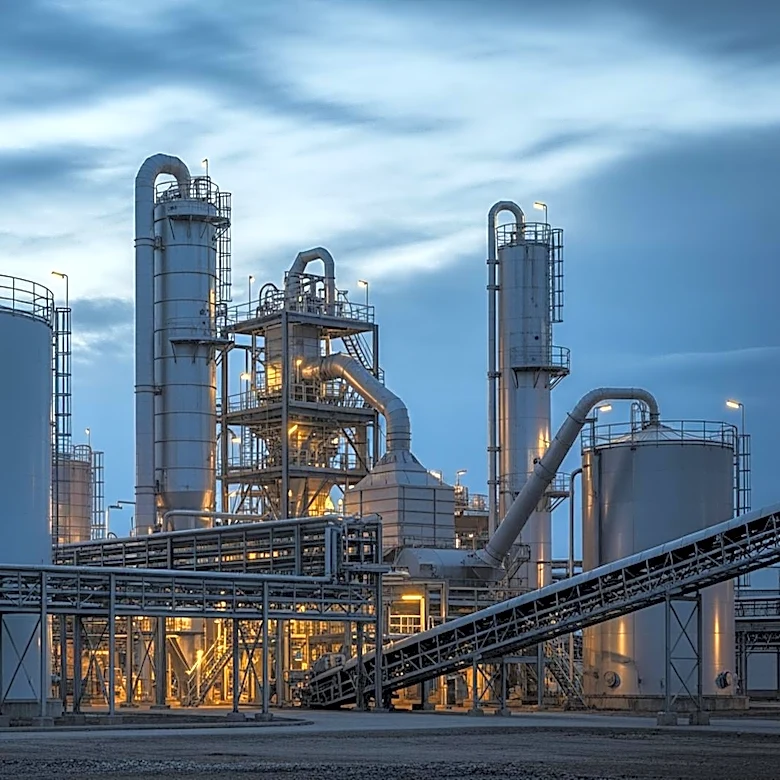
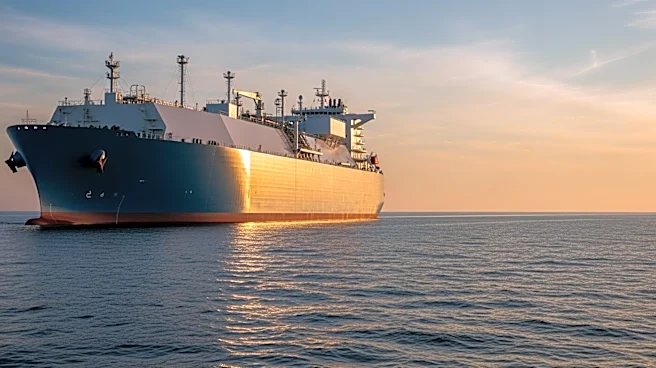
and Canada's expanding export reach. This shift is the result of a decade of investment, technology, and infrastructure buildout. The United States, once a major importer, is now one of the world's largest producers and exporters of crude oil and LNG. Canada is evolving from a single-market exporter to a more globally connected supplier, with expanded infrastructure opening access to Asian markets. Brazil's deepwater pre-salt fields continue to deliver steady production increases, supported by long-life assets and ongoing investment.
Why It's Important?
The rise of the Americas as a core pillar of global energy supply is crucial in today's environment, characterized by geopolitical risk and pressure on traditional supply routes. The region offers relative political stability, established infrastructure, and flexible trade routes, particularly into the Atlantic Basin. This diversification reduces reliance on regions exposed to disruption, enhancing global energy security. For investors, the shift presents opportunities tied to infrastructure, export capacity, and integrated value chains, emphasizing the importance of reliable and scalable energy delivery.
Beyond the Headlines
The shift in energy supply dynamics is not just about increased production but represents a transformation in the energy system. The Americas are becoming a more diversified and flexible source of energy, better positioned to respond to global disruptions. This realignment is visible in trade flows, with crude and LNG from the Americas moving into Europe to offset lost Russian supply and competing in Asian markets. The long-term implications include strengthened global trade positions and reduced geopolitical risk in energy supply.