







What's Happening?
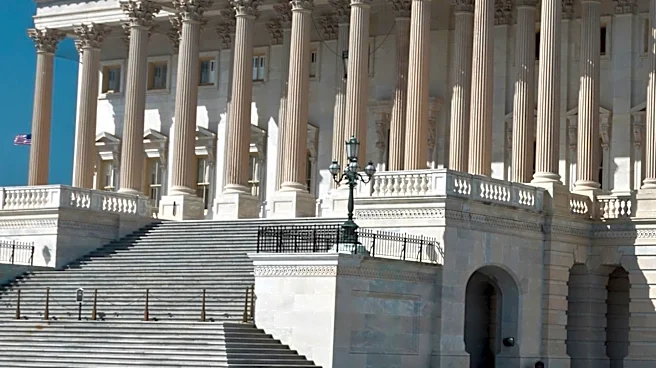
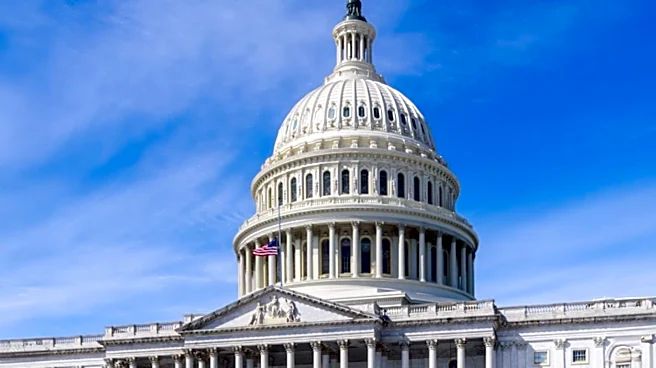
A bipartisan legislative effort led by Congressmen Clay Higgins (R-LA) and Troy Carter (D-LA) is advancing in the U.S. House of Representatives. The bill, H.R. 2715, aims to enhance the U.S. food safety system by granting the Food and Drug Administration
(FDA) the authority to destroy imported food products that pose significant public health risks. This measure seeks to close a loophole that currently allows exporters to redirect dangerous imports to other ports, potentially re-entering the U.S. market. The bill is scheduled for a vote under the House's suspension of the rules procedure, which is reserved for non-controversial bills and requires a two-thirds majority for passage. The Southern Shrimp Alliance, a key supporter, highlights the FDA's ongoing challenges with imported food products containing banned substances.
Why It's Important?
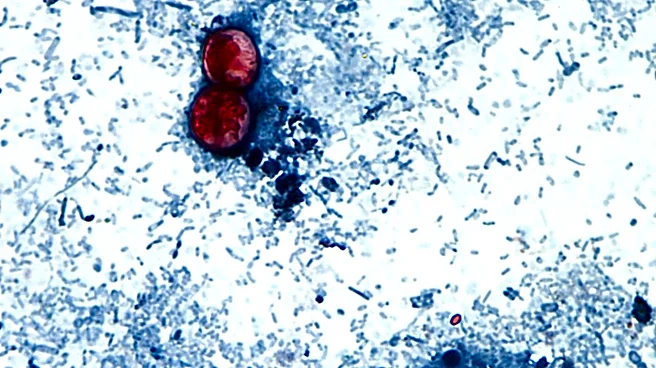
The proposed legislation is significant as it addresses critical gaps in the U.S. food safety system, particularly concerning imported goods. By empowering the FDA to destroy hazardous imports, the bill aims to prevent potentially dangerous food products from reaching American consumers. This move could enhance public health protections and reduce the risk of foodborne illnesses. The bipartisan support for the bill underscores its importance and the widespread recognition of the need for stronger food safety measures. If passed, the legislation could set a precedent for future regulatory actions aimed at safeguarding the U.S. food supply.
What's Next?
Following the House vote, attention will shift to the Senate, where the Committee on Health, Education, Labor and Pensions (HELP) is preparing to mark up related legislation. The Senate bill, sponsored by Senator Tommy Tuberville (R-AL), incorporates elements of H.R. 2715 and aims to further enhance food safety through improved information sharing and expanded FDA certification programs. The outcome of these legislative efforts will be closely watched by industry stakeholders, consumer advocacy groups, and public health officials, as they could lead to significant changes in how food safety is managed in the U.S.