





What's Happening?
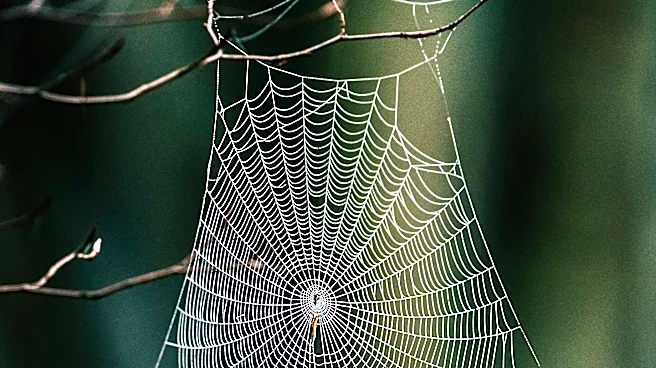
Many homeowners routinely practice 'catch and release' when encountering spiders indoors, moving them outside in a well-intentioned effort to be humane. However, arachnology experts indicate that this common practice can be detrimental to certain spider species
and local ecosystems. The key distinction often overlooked is that some spiders are 'true homebodies,' meaning they are expertly adapted to the indoor environment, thriving in its consistent warmth, shelter, and food sources. These house spiders are not merely temporary guests but have evolved to live within human dwellings. Conversely, other spider species are indigenous to outdoor habitats. Misidentifying these types can lead to unintended harm, as relocating an indoor-adapted spider outside can expose it to harsh conditions, predators, and a lack of suitable food, effectively depriving it of its only viable environment. This practice also carries risks for outdoor ecosystems, potentially introducing competition or disrupting existing food webs.
Why It's Important?
This information is important because it challenges a widely accepted and seemingly benevolent practice, revealing its potential negative consequences for both individual spiders and broader ecological balance. For homeowners, understanding this distinction can lead to more informed decisions regarding pest management and cohabitation with wildlife. The presence of spiders indoors often provides a natural form of pest control, as they prey on mosquitoes, flies, and other insects without the need for chemical interventions. By removing indoor-adapted spiders, homeowners might inadvertently increase other pest populations. Furthermore, the act of releasing a domestic spider outdoors can introduce an unfamiliar species into an established outdoor spider community, leading to competition for resources, territorial disputes, and potential disruption of the local food web. In some cases, this could even aid the establishment of invasive species, posing a threat to native biodiversity.
What's Next?
Moving forward, increased awareness and education are crucial for homeowners to understand the ecological implications of their actions regarding indoor spiders. Experts suggest that for those who wish to act responsibly, identifying the spider species is key. Resources such as local field guides, online platforms like iNaturalist, or entomology groups can assist in determining whether a spider is an indoor-adapted species or an outdoor one. For individuals with arachnophobia, solutions beyond relocation, such as behavioral therapies, can help manage anxiety. Simple preventative measures, like sealing cracks in walls, can also reduce spider encounters, ensuring both the spiders' and residents' comfort. The broader implication is a call for a more nuanced approach to human-wildlife interactions within residential settings, moving beyond instinctual reactions to informed ecological stewardship.
Beyond the Headlines
This issue delves into the deeper ethical and ecological considerations of human interaction with the natural world, even within the confines of our homes. It highlights how seemingly small, well-intentioned actions can have significant, unforeseen impacts on micro-ecosystems. The concept of 'homebody' spiders challenges the anthropocentric view that all wildlife belongs 'outside,' urging a recognition of species that have adapted to and become integral parts of human-built environments. This perspective encourages a shift from viewing these creatures as 'intruders' to understanding their role in maintaining a natural balance, even indoors. It also underscores the importance of ecological literacy for the general public, demonstrating that responsible environmental stewardship extends to the smallest inhabitants of our shared spaces. The narrative encourages a re-evaluation of our relationship with nature, promoting coexistence and a deeper understanding of biodiversity.