




What's Happening?
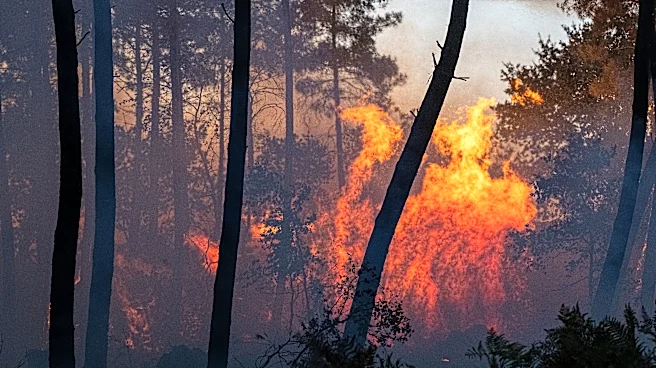
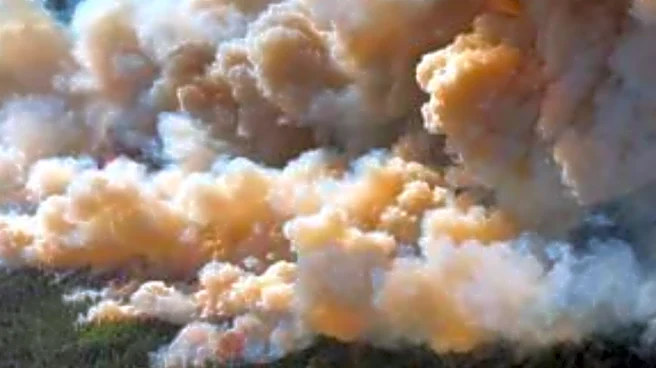
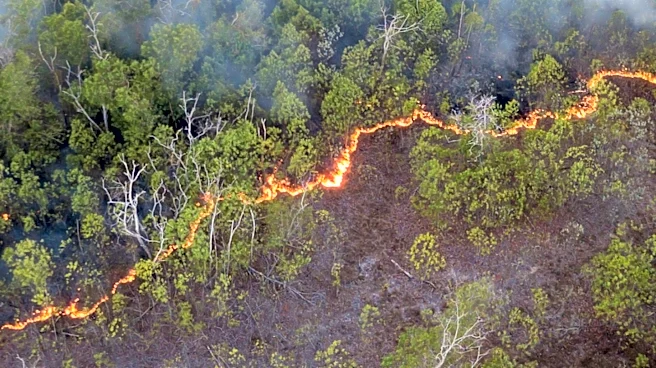
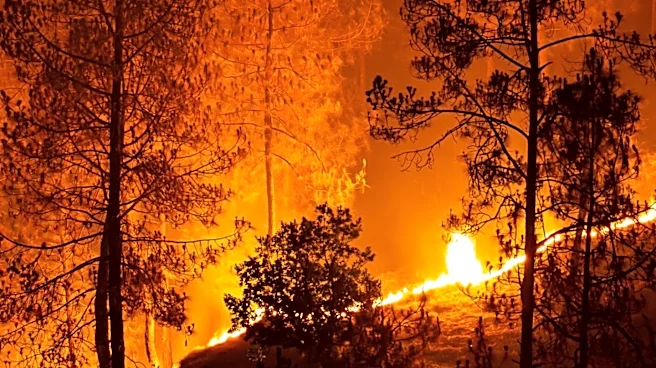
French authorities have mandated a complete evacuation of the Cap Ferret peninsula, a popular tourist destination on the Atlantic Coast, due to a significant wildfire threat. The evacuation order underscores the severity of the situation, as the area
is currently populated with tourists and valuable properties. French President Emmanuel Macron has sought assistance from the European Union to combat the intensifying wildfires. The EU has responded by deploying aircraft and helicopters from Croatia, Portugal, the Czech Republic, and Slovakia. The fires have already ravaged 8,700 hectares, exacerbated by a series of heatwaves that have left the region's vegetation extremely dry. The situation is further complicated by another wildfire near Biscarosse, which has destroyed 2,500 hectares and led to the evacuation of over 23,000 people.
Why It's Important?
The wildfires in France highlight the growing challenges posed by climate change, as extreme weather conditions become more frequent and severe. The evacuation of Cap Ferret, a key tourist area, not only disrupts local economies but also underscores the vulnerability of such regions to natural disasters. The involvement of the European Union in providing assistance reflects the need for international cooperation in addressing climate-related emergencies. The fires also strain local resources and emergency services, emphasizing the importance of preparedness and resilience in the face of environmental crises. The situation serves as a stark reminder of the broader implications of climate change on public safety, economic stability, and international collaboration.
What's Next?
As the wildfires continue to rage, French authorities and international partners will focus on containment and mitigation efforts. The deployment of EU resources is expected to bolster firefighting capabilities, but the situation remains dynamic and challenging due to unfavorable weather conditions. The French government may need to implement additional measures to support affected communities and address the long-term impacts of the fires. The ongoing crisis could prompt further discussions on climate policy and disaster preparedness at both national and European levels, potentially influencing future strategies to combat similar events.