




What's Happening?
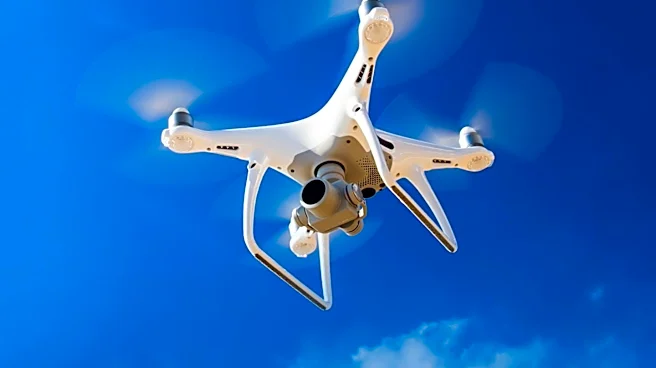
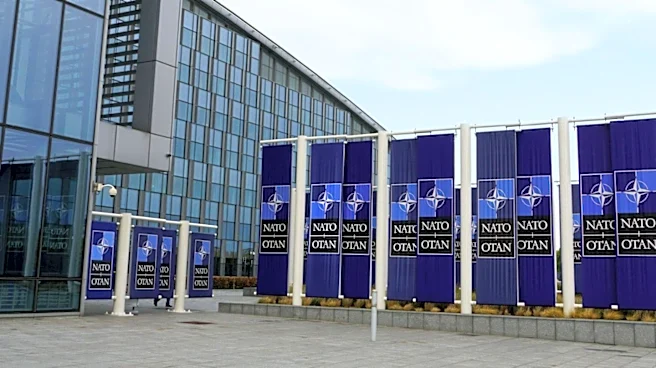
NATO and Ukraine have initiated UNITE-Brave NATO, a collaborative program designed to accelerate the operational deployment of tested Ukrainian and Allied defense technologies. This joint mechanism focuses on addressing challenges in Counter-Unmanned
Aerial Systems (C-UAS) and air defense. The first phase of the program includes €10 million in contract awards, with plans to expand to €50 million. This initiative aims to leverage Ukraine's rapid technological development and adaptation capabilities, particularly in areas like unmanned aerial vehicles, where the development cycle can be as short as three to six months. Additionally, NATO is developing a dedicated counter-drone marketplace to provide Allied nations with access to a wider array of interoperable solutions, moving beyond reliance on a limited number of traditional defense suppliers. The program also emphasizes interoperability and open architecture, as demonstrated by NATO's 2026 Technical Interoperability Exercise, which involved 40 companies from 11 Allied nations, Ukraine, and Australia, testing over 60 commercial systems and 40 C2 software applications to ensure seamless integration of different sensors, command systems, and effectors.
Why It's Important?
This collaboration is strategically important for the U.S. and its NATO allies as it directly addresses evolving threats, particularly from unmanned aerial systems. By integrating Ukrainian innovation, which has been battle-tested and rapidly developed, NATO can enhance its collective defense capabilities more quickly and efficiently. The focus on interoperability and open architecture in C-UAS solutions means that U.S. military systems can more easily integrate with those of allies, improving overall operational effectiveness and reducing potential vulnerabilities. The establishment of a counter-drone marketplace will foster competition and innovation among defense contractors, potentially leading to more advanced and cost-effective solutions for the U.S. military. Furthermore, this initiative strengthens the strategic partnership between NATO and Ukraine, demonstrating a commitment to supporting Ukraine's defense needs while also benefiting from its wartime technological advancements. The program's success could set a precedent for future international defense collaborations, emphasizing agility and rapid deployment of cutting-edge technologies.
What's Next?
The UNITE-Brave NATO program is expected to scale up its contract awards, with plans to reach €50 million, indicating a sustained commitment to developing and deploying advanced defense technologies. The ongoing development of NATO's dedicated counter-drone marketplace will likely lead to increased opportunities for defense technology companies, including those in the U.S., to offer their interoperable solutions to Allied nations. Future technical interoperability exercises will continue to refine the integration of diverse defense systems, ensuring that new technologies can function seamlessly within existing frameworks. Ukraine's ability to rapidly develop and adapt technology will continue to be a key asset, potentially influencing the pace and direction of future defense innovation within NATO. However, challenges remain, such as existing export rules that require Ukrainian manufacturers to pay a 20% upfront fee on prospective contracts, which could hinder the broader dissemination of their defense products. Addressing these regulatory hurdles will be crucial for maximizing the program's impact.
Beyond the Headlines
The UNITE-Brave NATO initiative signifies a deeper shift in defense procurement and innovation strategies, moving towards a more agile, collaborative, and technologically integrated approach. This program highlights the increasing recognition of the value of real-world combat experience in driving rapid technological advancements, particularly in the context of modern warfare characterized by drone threats. The emphasis on open architecture and interoperability could lead to a more standardized and interconnected defense ecosystem among NATO members, fostering greater collective security. Ethically, this collaboration raises questions about the responsible development and deployment of autonomous and semi-autonomous defense systems, particularly in C-UAS technologies. The long-term implications could include a significant reduction in the cost-effectiveness of drone warfare for adversaries, as advanced counter-drone measures become more widespread and sophisticated. This initiative also underscores the evolving role of non-traditional defense suppliers and the importance of fostering innovation beyond established defense industry giants.