






What's Happening?
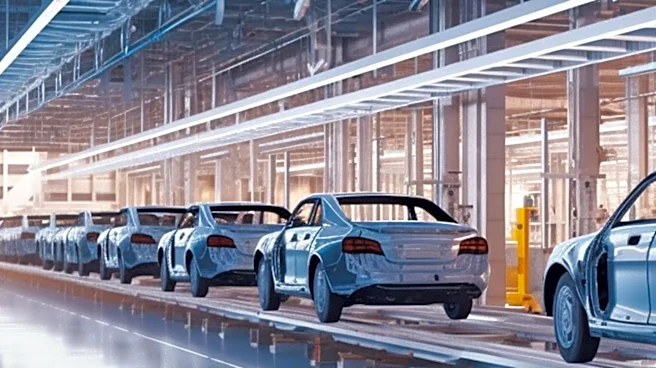
The Association of Southeast Asian Nations (ASEAN) has been recognized for its effective use of regional production networks, which have significantly contributed to the growth of the automotive sectors in countries like Thailand. This approach contrasts
with India's strategy, which focused on building its auto sector behind consumer choice restrictions. The article suggests that Pakistan could benefit from considering ASEAN's model, although it faces challenges such as a smaller domestic market, weaker regional integration, and technological advancements that have moved beyond its current capabilities.
Why It's Important?
The significance of ASEAN's model lies in its potential to guide Pakistan in developing a more competitive auto industry. By leveraging regional production networks, ASEAN countries have achieved scale and efficiency, which are crucial for competing in global markets. For Pakistan, adopting similar strategies could lead to increased exports, better integration into global value chains, and enhanced technological capabilities. However, Pakistan's smaller market size and lack of regional integration pose challenges that need to be addressed to replicate ASEAN's success.
What's Next?
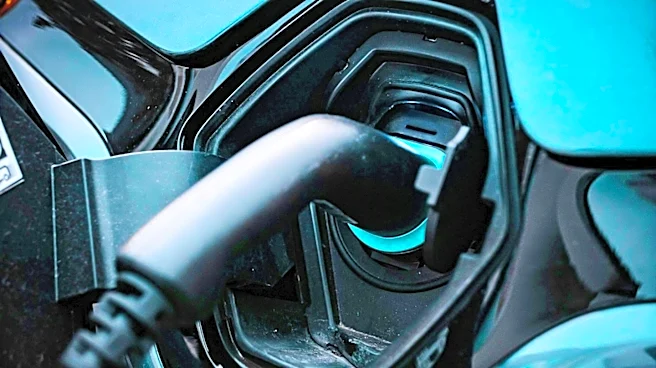
For Pakistan to benefit from ASEAN's model, it must focus on building capabilities that align with modern automotive industry demands, such as electric vehicles and hybrid technologies. This involves creating policies that encourage technological innovation, export-oriented growth, and deeper integration into regional and global markets. Additionally, Pakistan needs to address its infrastructural and logistical challenges to support a more competitive auto industry.
Beyond the Headlines
The broader implications of adopting ASEAN's model include potential shifts in Pakistan's industrial policy towards more sustainable and technologically advanced practices. This could lead to a more diversified economy, reduced reliance on traditional manufacturing, and increased foreign investment, particularly from countries looking to diversify their production bases.