





What's Happening?
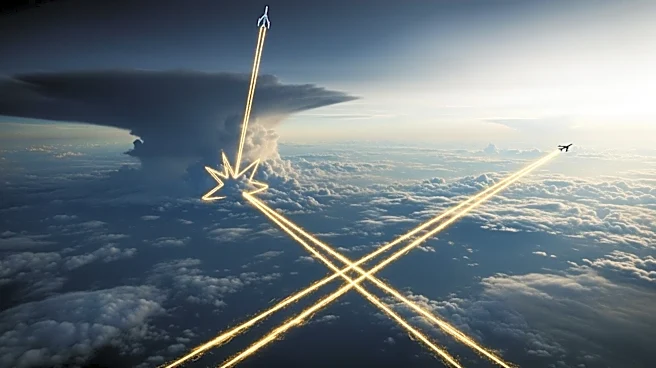
Taiwan's President Lai Ching-te was forced to cancel a planned visit to Eswatini after three African countries—Seychelles, Mauritius, and Madagascar—revoked permission for his plane to fly through their airspace. This decision came amid allegations of
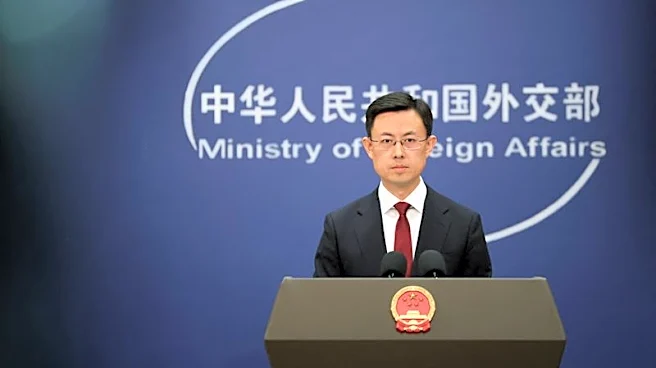
economic pressure from China, which has denied such claims. China expressed 'high appreciation' for the actions of these countries, which align with its 'one-China principle.' Taiwan, which China claims as part of its territory, has only a few diplomatic allies, with Eswatini being its sole ally in Africa. The cancellation of the trip highlights the ongoing geopolitical tensions between China and Taiwan, as well as the influence China wields over other nations in diplomatic matters.
Why It's Important?
The incident underscores the complex geopolitical dynamics involving China, Taiwan, and other nations. China's influence over Seychelles, Mauritius, and Madagascar to block Taiwan's president's flight reflects its broader strategy to isolate Taiwan diplomatically. This move could further strain Taiwan's international relations and limit its diplomatic engagements. For the U.S., which has expressed concern over the incident, this development could impact its foreign policy and strategic interests in the region, as it seeks to support democratic partners like Taiwan. The situation also highlights the challenges faced by smaller nations in balancing relations with major powers like China and Taiwan.
What's Next?
The cancellation of the trip may lead to increased diplomatic efforts by Taiwan to strengthen its remaining alliances and seek new partnerships. The U.S. and other Western nations might respond by reaffirming their support for Taiwan, potentially leading to further diplomatic tensions with China. Additionally, the incident could prompt discussions within international forums about the influence of major powers on smaller nations' foreign policies. Taiwan's government may also consider alternative strategies to maintain its international presence and counter China's diplomatic pressure.
Beyond the Headlines
This development raises questions about the ethical implications of economic coercion in international diplomacy. The incident illustrates how economic power can be used to influence political decisions, potentially undermining the sovereignty of smaller nations. It also highlights the ongoing struggle for Taiwan to assert its identity and maintain its sovereignty in the face of China's reunification ambitions. The situation could lead to long-term shifts in international alliances and the global balance of power, particularly in regions where China's influence is growing.