




What's Happening?
A recent study published in the journal Science reveals that human presence significantly affects wildlife behavior, even without direct habitat alteration. Researchers analyzed GPS tracking data from 37 species of wild birds and mammals alongside cellphone
location data across the United States during the Covid-19 pandemic. The study found that for two-thirds of these species, human presence influenced the geographic space they used and the diversity of their environments. This research is part of the Covid-19 Bio-Logging Initiative, which examines how animals responded to the pandemic-induced reduction in human activity, known as the 'anthropause.'
Why It's Important?
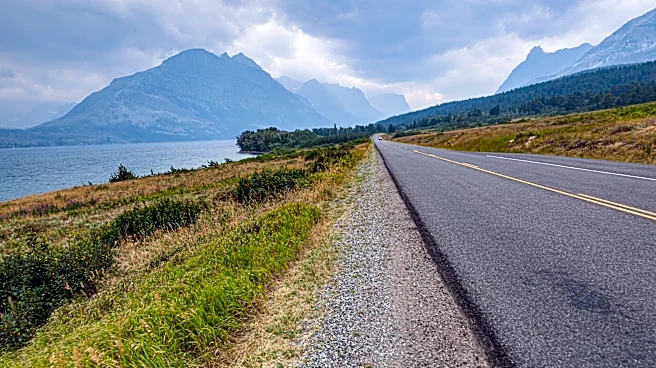
The findings underscore the profound impact human activity has on wildlife, even in the absence of direct environmental changes like deforestation or urban development. This research highlights the need for conservation strategies that consider human presence as a factor in wildlife management. Understanding these dynamics is crucial for developing policies that balance human activities with wildlife conservation, especially as human populations and urban areas continue to expand. The study also provides insights into how temporary reductions in human activity, such as those during the pandemic, can offer opportunities for wildlife to reclaim and adapt to their natural habitats.
What's Next?
The study's results could inform future conservation efforts and urban planning to mitigate the impact of human presence on wildlife. Researchers may continue to explore the long-term effects of the 'anthropause' on different species and ecosystems. Policymakers might consider integrating these findings into environmental regulations and land-use planning to promote biodiversity and ecosystem health. Additionally, public awareness campaigns could be launched to educate communities about the indirect effects of human presence on wildlife and encourage practices that minimize disruption to natural habitats.